From the very first day, false narratives lured this nation into a world of fantasy.
More to it, most people believed in those narratives as true and lived, enjoyed, and felt proud of them.
Various quarters fabricated these narratives and promoted them, but the burden of the blame lies especially with the intellectuals.
No doubt, the false narratives successfully furnished a world of fantasy that nudged artists and poets to craft a sublime world of art.
Amidst the Pak-India war of 1965, the false narrative of a defensive war was propagated, and most people believed in it. More interesting is the fact that this narrative of a defensive war helped produce a world of inspiring songs, that is, poetry, music, and singing, the quality and artistic value of which survive to this day.
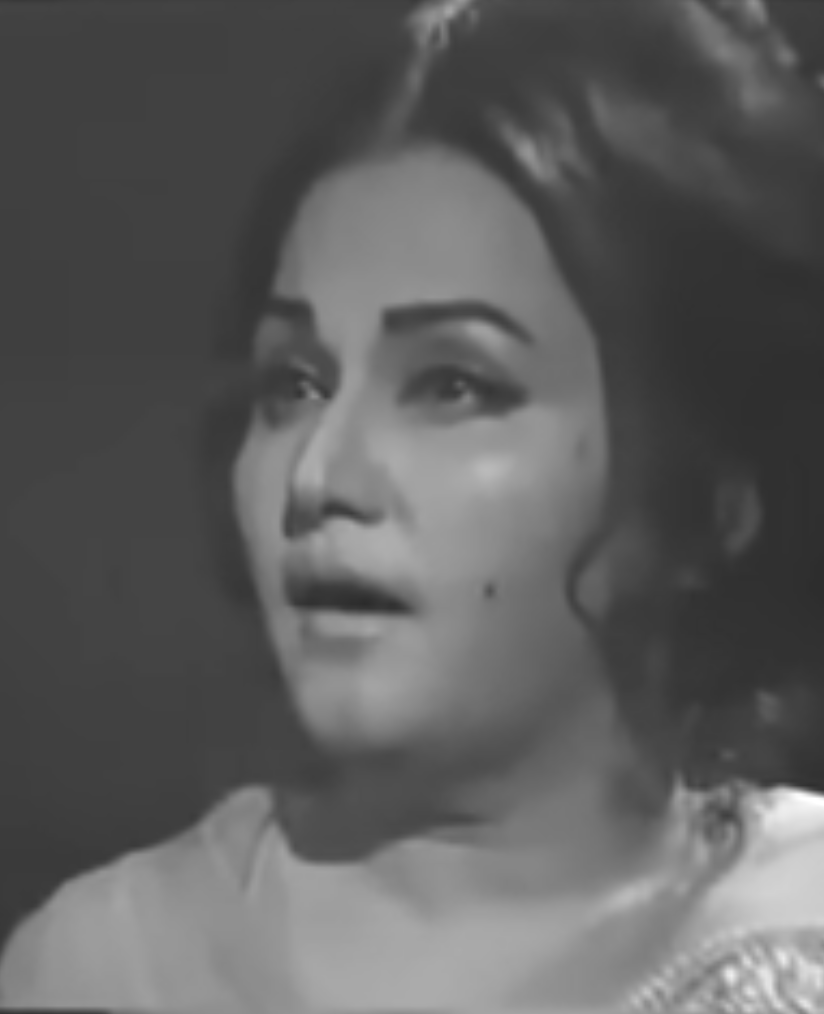
Consider this song: Ay puttar hataan tay naen wikday (Such sons are not a commodity meant to be sold at shops).
It is a perfect piece of art. The song was written by Sufi Ghulam Mustafa Tabassum. Its music was composed by Hassan Latif. In it, Tabla was played by Ustad Shaukat Hussain, and Sarangi was played by Ustad Nazim Ali Khan. The song was sung by none other than the queen of melody, Noor Jahan
Everything about it is perfect. Perfect poetry. Perfect music. Perfect Tabla playing. Perfect singing.
It is unimaginable that this song and other ones touching the boundaries of perfection were created under the hazy impression of a false narrative. But it is true.
That means the creation of art requires a world of fantasy, no matter if it is based on a false narrative or even raw falsities.
As it happens, art brings into existence a world of aesthetic value out of a real situation, be it imaginary.
The question is whether that absolves the intellectuals of their responsibility. No! It was their responsibility to uncover the truth before they set out to do their job of artistic creation.
Enjoy the song. Link to the song:
https://www.youtube.com/watch?v=mWqxJUZ8TjE
[18 June, 2026]