سعادت حسن منٹو ۔ کون؟
سعادت حسن منٹو ایک متنازعہ شخصیت ہیں۔ ایک متنازعہ مصنف ہیں۔ ایک متنازعہ افسانہ نگار ہیں۔
ان کے بارے میں متعدد سوالات تسلسل کے ساتھ زیرِ بحث ہیں۔
وہ ترقی پسند تھے یا نہیں۔ اول اول انھیں ترقی پسندوں نے مسترد کیا۔ بعدازاں، اپنے اس انکار سے پھِر گئے۔
حالیہ طور پر انجمنِ ترقی پسند مصنفین کی جو صورتیں سامنے آئیں اور موجود ہیں، وہ انھیں ترقی پسند قرار دیتی ہیں۔
رجعت پسند تو تھے ہی ان کے مخالف۔ وہ فحش نگار جو ٹھہرے۔ ’ان کے دماغ پر عورت جو سوار تھی۔‘
ان کی شخصیت کے بارے میں، کتنے ہی سوالات ہیں۔ وہ ایک اچھے شوہر تھے یا نہیں۔ وہ ایک اچھے باپ تھے یا نہیں۔
ان کی خودپسندی مناسب تھی یا نہیں۔
انھوں نے جو افسانے لکھے، آیا وہ ادب کا حصہ ہیں یا نہیں۔
اگر وہ افسانے نہیں، تو کیوں نہیں۔
جو کچھ انھوں نے لکھا، وہ اگر …
ریاستی معیشت اور شہری معیشت” سے متلق ایک وضاحت طلب معاملہ”
متذکرۂ بالا کتابچے سے متعلق وٹس ایپ کے ذریعے ایک سوال پوچھا گیا ہے۔
’’اگر استدلال دولت کی تخلیق سے شروع ہو گا تو اس سے دولت کی تقسیم کا نتیجہ نکالنا کارے دارد بن جائے گا اور یہ اخلاقی طور پر تو بالکل ممکن نہیں۔ یہ بات سمجھ نہیں آئی۔ ذرا تفصیل سے بتائیے گا مثالوں کے ساتھ ۔ صفحہ 19‘‘
جواب کو مختصر رکھنے کی کوشش کرتے ہوئے، میں دو زاویوں کو سامنے لانا چاہوں گا۔
پہلا زاویہ: اخلاقی اقدار میں سے ’’چوری نہ کرو‘‘ ایک بنیادی قدر ہے۔
اس میں وہ تمام افعال شامل ہیں، جو کسی دوسرے فرد کے مال و دولت پر قبضہ جمانے سے لے کر ان کے غلط استعمال تک سے تعلق رکھتے ہیں۔ اور ان پر اس کے تصرف میں کمی لاتے ہیں۔
یعنی جو شے یا اشیا یا جو مال، دولت، جائیداد، وغیرہ، کسی فرد کی جائز ملکیت ہے، اسے اخلاقی …
سیاست اور اخلاقیات کے تعلق کا معاملہ
جہاں تک سیاست اور سیاسی معاملات پر سنجیدگی کے ساتھ لکھنے کی بات ہے، تو خورشید ندیم ایسے ہی کالم لکھتے ہیں۔
سیاسی وقوعات جن دھاگوں میں پروئے ہوتے ہیں، وہ انھیں گرفت کرتے ہیں، اور پھر ان دھاگوں کو علمی و فکری مسائل کی شکل میں بیان کرتے ہیں۔ اور پھر ان مسائل کے حل سے بحث بھی کرتے ہیں۔
پاکستان بھر میں اخبارات کے کالموں میں کون ایسا کام کر رہا ہے، یا ایسی پُرمغز تحریر لکھ رہا ہے، غالباً کوئی نہیں۔
میں پہلے بھی ان کے بارے میں ایسے ہی خیالات کا اظہار کر چکا ہوں۔ گو کہ اُس تحریر کا مقصد تعریف و تحسین نہیں، بلکہ ان کے ساتھ ایک اختلاف کو سامنے لانا تھا۔
آج بھی ان کا ایک کالم میرے پیشِ نظر ہے۔ یہ 10 مارچ (2022) کو چھپا۔ عنوان ہے: تحریکِ عدم اعتماد۔
اس میں انھوں نے سیاست اور اخلاقیات کے تعلق کے …
نہ بھولنے والی دو کہانیوں کی یاد
کوئی تین دہائیوں پہلے میں نے ایک کتاب پڑھی تھی، جس میں دنیا بھر سے چنی گئیں سو عظیم ’’شارٹ سٹوریز‘‘ شامل تھیں۔
ایک کہانی تو کمال ہی تھی۔ ویسے ایک اور کہانی بھی تھی اس میں، جو مجھے بھولتی نہیں۔
گاؤں کا باسی ایک امریکی پہلی مرتبہ قریبی شہر جاتا ہے۔ وہاں اسے ایک مشروب گاہ میں کچھ وقت گزارنا پڑتا ہے۔ وہ ایک میز پر بیٹھا ہوا ہے۔ ایک آدمی آتا ہے، اور اس سے اجازت لے کر خالی کرسی پر بیٹھ جاتا ہے۔
کچھ دیر میں دونوں کے درمیان گفتگو شروع ہو جاتی ہے۔
اور چند ہی لمحوں میں گفتگو کا محور عورتیں بن جاتی ہیں۔ اس کا سبب آنے والا آدمی ہے۔
یہ دوسرا آدمی اپنی فتوحات کے قصے سنائے جاتا ہے۔ درجنوں قصے۔ اس نے کیسے اور کہاں کس عورت کو اپنے جال میں پھنسایا۔ اس کے یہ قصے ختم ہونے کا نام نہیں لیتے۔…
بُغض کی سیاست اور حُب کی سیاست
[نوٹ: ہمارے یہاں گفتگو میں ’’بُغض ۔۔۔‘‘ اور ’’حُب ۔۔۔‘‘ کی اصطلاحات عام ہیں۔ میں اصل الفاظ کے استعمال سے بوجوہ گریز کر رہا ہوں۔]
پاکستان کی بیشتر سے بھی زیادہ سیاست بُغض کی سیاست ہے۔
مراد یہ کہ یہ نفرت، عداوت، انتقام کے جذبات سے مغلوب سیاست ہے۔
اسے ’’مبنی بر بُغض سیاست‘‘ کا نام دیا جا سکتا ہے۔
یعنی یہ مثبت اور تعمیر کی سیاست نہیں۔ یہ منفی اور تباہی کی سیاست ہے۔
تو کیا جو تھوڑی بہت سیاست باقی رہ جاتی ہے، وہ حُب کی سیاست ہے؟
اس کا جواب ’’شاید‘‘ یا ’’غالباً‘‘ کہہ کر دیا جا سکتا ہے۔ یعنی یہ ’’مبنی بر حُب سیاست‘‘ اگر کچھ وجود رکھتی ہے، تو اس کا یہ وجود محض عارضی، نمائشی اور ایک دھوکہ ہوتا ہے۔ نظر کا دھوکہ، سیاسی دھوکہ۔
اس مفہوم میں یہ کہنا مبالغہ آرائی نہیں ہو گا کہ پاکستان کی سیاست اصلاً ’’مبنی بر بُغض سیاست‘‘ …
3rd World War is an Economic War: a short note
The world is thus connected today economically it was never so in the past.
That means both dependence and interdependence, and sort of a combined survival of and for all.
In the past, there were regions that could stand isolation and survive economically. For example, some African, Asian and Latin regions.
Not so now.
Economic dependence/interdependence is technological dependence/interdependence. And vice versa.
Whether the Ukraine-Russia war will escalate or not, or what direction will it take, is too early to say.
However, it is clear that the USA and Europe instead of partnering with Ukraine are preferring economic measures, that is, various sanctions against Russia. They are trying to isolate Russia economically and technologically.
This abstaining of the USA and Europe, or say NATO, from jumping into the war against Russia is something very important.
That’s the sign of a new age that the world is entering, an age of …
سادگی کا رنگ
ان کی سادگی کا رنگ اتنا گہرا ہے، اس کا احساس نہیں تھا مجھے۔ ہاں، اتنا ضرور معلوم تھا کہ ان کی زندگی سادگی سے عبارت ہے۔
آج ہی صبح مسجد کے سپیکر سے اعلان ہوا، ’تعظیم الدین کے والد احترام الدین کا قضائے الہٰی سے انتقال ہو گیا ہے، ان کی نمازِ جنازہ کا اعلان بعد میں کیا جائے گا۔‘
کوئی دو گھنٹے بعد میں باہر گلی میں آیا تو ان کے گھر کے باہر کرسیاں بچھی تھیں، اور چند لوگ بیٹھے اور کچھ کھڑے تھے۔
میں بھی وہاں جا کر چار پانچ لوگ گفتگو کر رہے تھے ان کے پاس کھڑا ہو گیا۔
احترام الدین کو صبح چار بجے کے قریب ہسپتال لے جایا گیا، مگر انھوں نے اصرار کیا کہ انھیں واپس گھر لے جائیں۔ بس کوئی سوا پانچ بجے ان کی روح قفسِ عنصری سے پرواز کر گئی۔
انھیں ریٹائر ہوئے کوئی آٹھ دس سال تو …
The Economic Advisory Group (EAG) and its Economics
On March 1 (2022), EAG Pakistan twitter handle @eagpakistan posted 6 tweets reacting to the incumbent regime’s “relief measures for the people.”
Here are the tweets:
PM’s decision to provide benefits of various sorts–lower fuel & elec prices & subsidized loans & tax exemptions for selected sectors–continues long & inglorious tradition of country’s top leadership enacting policies erratically in defiance of the most basic econ principles1/3
The benefits announced will be celebrated briefly as “relief” but will further deteriorate Pakistan’s financial health, because they create a burden that its decrepit tax machinery cannot shoulder through prudent revenue collection elsewhere. 2/4
For efficient economic system, it is essential prices be linked directly to costs. When underlying costs rise, as they do when int commodity prices increase the govt cannot insulate populace from higher dom prices without creating a higher debt burden for future generations. 3/5
Insufficient tax collection from broad swathes …
گلیوں بازاروں کا چوکیداری نظام
چیزیں خودرو انداز میں کس طرح وجود میں آتی ہیں، اور کس طرح، روایت اور پھر ایک غیررسمی نظام میں ڈھل جاتی ہیں، اس تحریر کا مقصد اسی مشاہدے کو بیان کرنا ہے۔
دروازے پر دستک ہوئی۔ باہر وہی شناسا چہرہ تھا۔ جہاں تک مجھے یاد پڑتا ہے، ہماری گلی اور دوسری کئی گلیوں میں یہی صاحب بہت عرصے سے چوکیداری کر رہے ہیں۔ اور جیسا کہ خاصی حد تک ایک معمول ہے کہ یہ صاحب بھی پختون ہیں۔
کئی برس قبل ان کے ساتھ میری تفصیلی گفتگو ہوئی تھی۔ انھیں جو پیسے ماہانہ دیے جاتے تھے، وہ دس روپے تھے، پھر بیس ہوئے۔ اور اب پچاس تھے۔ میں نے ان سے پوچھا تھا کہ اگر وہ صرف چند گلیوں کا پہرہ دیں، تو فی گھر کتنے روپے دیے جانے چاہییں، اور یہ کہ ان گلیوں میں کل کتنے گھر بنتے ہیں۔ اس وقت کے حساب کتاب کے مطابق فی …
آیا پاکستان میں خیالات جنم لے رہے ہیں یا نہیں؟
مجھے جس چیز نے اس سوال پر غور کرنے اور اس کا جواب دینے پر اکسایا، وہ ڈاکٹر ندیم الحق کی یہ رائے ہے کہ پاکستان میں خیالات جنم نہیں لے رہے۔
ڈاکٹر ندیم الحق معیشت دان ہیں۔ وہ آج کل پائیڈ (پاکستان انسٹی ٹیوٹ آف ڈویلپمینٹ اکنامکس) کے وائس چانسلر ہیں۔ وہ اس عہدے پر پہلے بھی متمکن رہے ہیں۔ وہ منصوبہ بندی کمیشن کے چیئرمین بھی تھے۔
ان کی طرف سے یہ سوال حال ہی (3 فروری، 2022ء) میں ٹویٹر پر اٹھایا گیا۔
’’دہائیوں سے تدریسیاتی کاہلی کو فعالیت (مراد ہے سیاسی فعالیت۔ خلیل) میں چھپایا جاتا رہا ہے۔ فعالیت سہل ہے، تدریسیاتی سعی مشکل۔ احتجاج پسندی سہل ہے، خیالات کو جنم دینا مشکل ہے۔‘‘
یہ ٹویٹ جب میری نظر سے گزری تو میں نے اس کا یہ جواب لکھا۔ ’’خیالات کی پیدائش ہو رہی ہے۔ مسئلہ ہے ان کی ترسیل۔ اور ترسیل مشکل تر ہے۔‘‘
ڈاکٹر ندیم …
سچائی، سقراط اور موت: کیا جان بچانا ایک موثر فیصلہ نہیں ہوتا؟
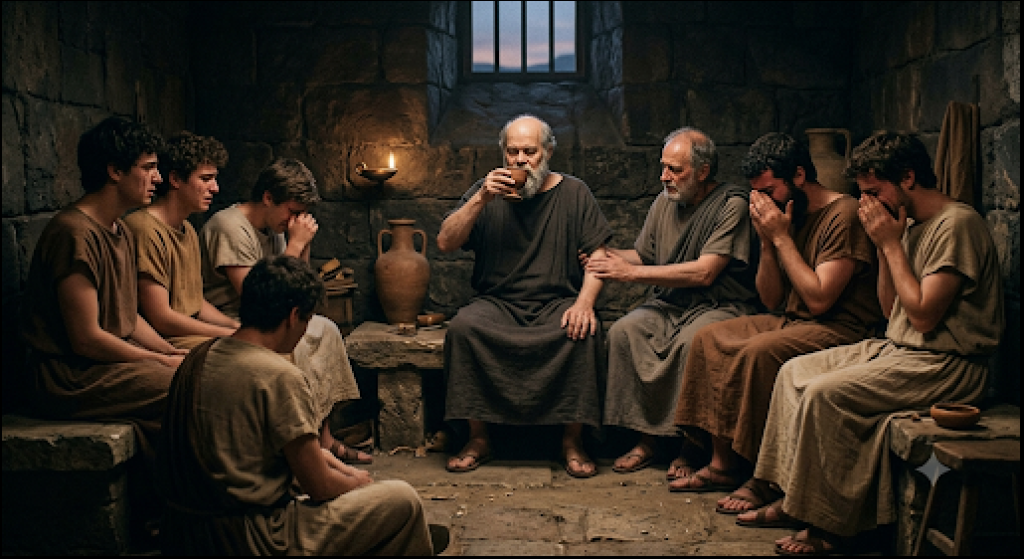
سقراط کو سچائی کے ساتھ اور سچائی کو موت کے ساتھ جوڑ دیا گیا۔
کیسے؟ اور کیوں؟
غالباً اس پر غور نہیں ہوا۔ یا ہوا ہے تو میری نظر سے نہیں گزرا۔
فلسفہ، تاریخ، ادب، شاعری، جو کچھ بھی پڑھا، وہاں سقراط کا ذکر ضرور تھا۔ اور پھر سچائی کے لیے اس کی موت کا بھی۔ اور اردو شاعری نے تو سقراط اور زہر کے پیالے دونوں کو امر کر دیا۔
سیاست، مزاحمت، انقلاب، یہاں بھی سقراط، اور سچائی کے لیے اس کی موت کے بغیر کام نہیں چلا۔ ہر انقلابی، سقراط کا اوتار بننے کا شائق نکلا۔
جب پہلی مرتبہ یہ بات پڑھی کہ سقراط نے سچائی کے لیے موت کو قبول کیا، میں نے تب اسے قبول تو کر لیا تھا، مگر یہ بات ہضم نہیں ہوئی۔ اور اب تک ہضم نہیں ہوئی۔
میں سوچتا رہا، سوچتا رہا۔ اور ابھی کچھ برس قبل یہ طے ہوا کہ سقراط …
خوشحالی کی لہر یا شکستہ خواب: خودکلامی
میرے اکثر خواب بھی آزمائش کی طرح ہیں۔
سوچتا ہوں ارشد صاحب کو بتاؤں، جو دوست ہیں، اور سائییکالوجسٹ اور ہپناتھیراپسٹ بھی، اور پوچھوں کیا مطلب ہے ان کا۔ مگر پھر خیال آتا ہے، آزمائش پر تو پورا اتر جاتا ہوں، پوچھنے کی کیا ضرورت۔
یہ عجیب و غریب خواب ہیں۔ ان دیکھے رستے، پہاڑ، گلیاں، کثیرمنزلہ مکانوں، زینوں اور سیڑھیوں کا سلسلہ۔ گڑھوں سے بھری سڑکیں۔ اور ناسازگار حالات۔
ہر جگہ مشکل درپیش ہوتی ہے، اور میں ہمت ہار جاتا ہوں، مگر پھر کوشش کرتا ہوں، اور منزل پا لیتا ہوں۔
بلکہ میں نے جو کہانیاں لکھیں، ان میں سے کئی ایک خوابوں نے تراش کر دیں مجھے۔
ایک کہانی، کسی سینما ہال کے باہر کچھ مکالموں سے تشکیل پاتی ہے۔ اور ایک اور، کئی منزلہ مکانوں اور گلیوں کی بھول بھلیوں میں پوری ہوتی ہے۔
یہ خواب پتا نہیں کہاں کہاں سے کیا کیا چیز ڈھونڈ لاتے ہیں، …
انگریز ہندوستان کیا کرنے آئے تھے
اکثر لوگ یہ سمجھتے ہیں کہ اگر انگریز ہندوستان آئے تھے تو انھیں ہمیں کچھ دینے کے لیے آنا چاہیے تھا۔
یہ وہ بنیادی قضیہ ہے، جس کی بنیاد پر تمام قسم کی انگریز دشمنی استوار ہوئی ہے۔
ان لوگوں میں بایاں بازو، نوآبادیات دشمن (اینٹی کولونیل) دانشور اور اہل الرائے نمایاں حیثیت رکھتے ہیں۔
دائیں بازو کا دعویٰ بھی اس سے کچھ زیادہ مختلف نہیں۔ وہ اس بات پر ذرا زیادہ زور دے دیتے ہیں کہ انگریز یہاں مسلمانوں سے حکومت چھیننے اور مسیحیت کی تبلیغ کرنے آئے تھے۔
نفسیات دانوں کو اس بنیادی قضیے کے پیچھے کارفرما نفسیاتی محرکات کو سامنے لانا چاہیے۔
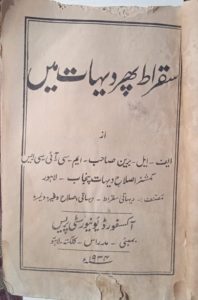
جہاں تک اس قضیے کی پشت پر موجود سماجی، سیاسی اور معاشی فکر کا تعلق ہے، تو اسے مختصر انداز میں نیچے بیان کیا جاتا ہے۔
ـ سماجی: وہ یہاں ہماری تہذیب، مذہب، اور روایات کو خراب کرنے آئے تھے۔ وغیرہ۔
ـ سیاسی: وہ یہاں …
ریاستی اشرافیہ کا نظریہ: ایک اہم نکتہ
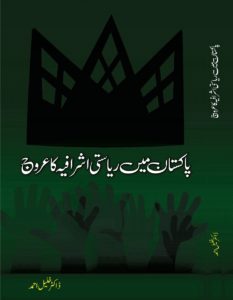
ابھی انھی دنوں امریکہ کے چوتھے صدر، جیمز اے میڈیسن (1751-1836) کا ایک قول/اقتباس دیکھنے کو ملا۔
میڈیسن امریکہ کے ان تین اہم بانیوں میں سے ہیں، جنھوں نے ’’وفاق پسند مباحث‘‘ (The Federalist Papers) میں حصہ لیا اور یوں امریکی آئین کی توثیق کو ممکن بنایا۔ دوسرے دو، الیگزینڈر ہیملٹن اور جان جے ہیں۔
پہلے اقتباس کا ترجمہ ملاحظہ کیجیے:
’’قانون سازی، انتظامی اور عدالتی، تمام اختیارات کے یکساں ہاتھوں میں ارتکاز کو، خواہ یہ کوئی ایک (فرد) ہو یا متعدد (افراد)، اور خواہ یہ وراثتی ہو، خودمقررہ، یا انتخابی، درست طور پر استبدادیت کی تعریف مانا جا سکتا ہے۔‘‘
میڈیسن کا یہ اقتباس وفاق پسند مباحث 47 اختیارات کی تقسیم سے بحث کرتا ہے۔
جس نکتے کو میں سامنے لانا چاہتا ہوں، وہ میڈیسن کی بات میں اس اضافے پر مبنی ہے کہ مقننہ، انتظامیہ اور عدلیہ سے متعلق تمام اختیارات ضروری نہیں ایک یا چند افراد کے …
پاکستان اور دانشوروں کا کردار
یہاں یہ معاملہ زیرِ بحث نہیں کہ دانشور کی تعریف کیا ہے۔ یا یہ کہ دانشور کسے کہا جائے۔ ان معاملات سے تفصیلی بحث میری نئی آنے والی کتاب، ’’دانشور اشرافیہ: تانا بانا، اجارہ، کردار‘‘ میں موجود ہے۔
لہٰذا، یہ جان لینا کافی ہے کہ پاکستان میں عملاً کون لوگ دانشوروں میں شمار ہوتے ہیں۔ اور کون نہیں۔
اساتذہ، خواہ وہ کالجوں سے تعلق رکھتے ہوں، یا یونیورسیٹیوں سے، یا دوسرے تدریسی اداروں سے، انھیں دانشوروں میں شامل نہیں کیا جا سکتا۔ کیونکہ ان میں سے اکثر یہ سمجھتے ہیں کہ تدریس کا دانش یا دانشوری کے ساتھ کوئی تعلق نہیں۔ ان میں ایک مختصر تعداد ایسے اساتذہ کی بھی ہے، جو دانش یا دانشوری کی طرف نکل آتے ہیں۔ ان میں سے کالم نگار اہم ہیں۔ اس کے علاوہ، ان میں سے کچھ، صحافی، اور پھر سیاست دانوں کے مشیر، وغیرہ، بن جاتے ہیں۔ یا کسی سیاسی پارٹی کے …
بات آگے کیسے بڑھے گی؟
اگر آپ اپنی بات پر قائم ہیں، میں اپنی بات پر قائم ہوں، تو بات آگے کیسے بڑھے گی؟
کچھ عرصے سے یہ معاملہ مجھے ان مباحث میں معلق نظر آ رہا تھا، خود میں بھی جن مباحث کا حصہ تھا۔
ہر کوئی اپنی ایک رائے رکھتا ہے۔ اکثر بحث اس بات سے فیصل ہو جاتی ہے کہ ہر کسی کو اپنی رائے رکھنے کا حق ہے۔
تو کیا یہ کوئی رائے سازی کا مقابلہ ہے۔ یعنی ہر کوئی اپنی ایک رائے رکھتا ہے، یا نہیں۔ یا ہر کوئی ہر دوسرے کو اپنی رائے سنا بتا دے، اور بات ختم۔
ایک حل جو فوری طور پر میرے ذہن میں ابھرتا ہے، وہ کچھ یوں ہے۔
دوست علی سلمان کا بحث کا انداز نہایت شائستہ اور تسلیمی ہے۔ مثلاً کوئی بات کی جاتی ہے، وہ اس پر کوئی صفائی مانگتے ہیں یا اعتراض کرتے ہیں۔ آپ صفائی پیش کرتے ہیں، یا …
The GST and the SBP Bill — the Issues
Both measures are largely Ashraafist. Serving or saving the Riyasati Ashrafiya and Ashrafiya from the tax-burden.
The GST (General Sales Tax) may be delayed and/or levied in parts/instalments/gradually. I.e. On some items, and say 5% and then gradually may be increased with time, but must remain below the single digit limit, as recommended by the Prime Institute. If they need to raise this or that amount, they should cut the size of the government and cut the noncombat defense expenditures. Also, they should withdraw all tax exemptions/perks and privileges available to various classes of Riyasati Ashrafiya and Ashrafiya. But that’s not the case. That’s why I called it Ashraafist.
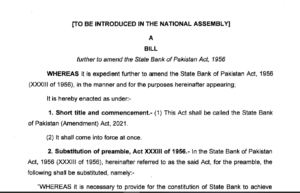
As for the SBP (State Bank of Pakistan) bill. Have a look at it and two things are noticeable.
First is, no more loans to the government by the SBP. That’s fine.
Second, the SBP immunity from any court proceedings, …
کیا انتخابات کے نتائج کی تعبیر ممکن ہے؟
نوٹ: اس تحریر میں وضع کیا گیا نظریہ دو چیزوں سے مشروط ہے۔ اول، صاف، شفاف اور منصفانہ انتخابات، اور، دوم، سیاست میں کسی خارجی عامل یا قوت کی عدم مداخلت۔
(یاد رہے کہ مداخلت بلاواسطہ یا بالواسطہ دونوں صورتوں میں ہو سکتی ہے، جیسا کہ پاکستان میں پراکسی (یعنی نائبی) سیاست بھی ہوتی ہے یا کی جاتی ہے۔)
انتخابات کے تنائج اعداد پر مشتمل ہوتے ہیں۔ جیسا کہ کسی نے اتنے ووٹ حاصل کیے، اور اس کے حریفوں کو اتنے اور اتنے ووٹ ملے۔ اور یوں وہ اپنے حلقے میں اتنے ووٹوں کی برتری سے انتخاب جیت گیا۔ اور دوسرے اتنے ووٹوں سے انتخاب ہار گئے۔
یا شاذ ہی ایسا ہوتا ہے کہ دو یا تین فریقوں کو ملنے والے ووٹوں کی تعداد یکساں ہو جائے۔ جیسا کہ ابھی 19 دسمبر (2021ء) کو خیبر پختونخوا کے بلدیاتی انتخابات میں ایک حلقے میں دو امیدواروں کو یکساں تعداد میں ووٹ …
تصور کریں بیس برس بعد کا پاکستان کیسا ہو گا ـ ایک لاحاصل تصور
’’ساتواں ایاز میلو‘‘ حیدرآباد، سندھ میں منعقد ہوا۔ ڈان (23 دسمبر، 2021ء) کے مطابق، میلے میں دانشوروں نے اس بات پر زور دیا کہ پاکستان کو پھر سے تصور کرنے کی ضرورت ہے۔ ان دانشوروں میں ڈاکٹر جعفر احمد، غاذی صلاح الدین، ڈاکٹر سحر گل، ڈاکٹر ظفر جونیجو شامل ہیں۔
ہاں، اس چیز کے بارے میں پہلے بھی پڑھا سنا ہوا تھا۔ مگر برس 2010ء اچھی طرح یاد ہے۔ اس وقت میں آلٹرنیٹ سالوشنز انسٹیٹیوٹ (اے ایس انسٹیٹیوٹ) کے معاملات کا منتظم تھا۔ علی سلمان اور میں، ہم دونوں نے مل کر ایک نیا کام شروع کیا۔ یہ تھا: فکری سرمائے کی تخلیق (Creating intellectual capital)۔ مختلف لوگوں کو مدعو کیا گیا، جن میں ڈاکٹر طاہر کامران، ڈاکٹر سعید شفقت، اور دوسرے شامل تھے۔ کوئی چار پانچ اجلاس منعقد ہوئے، اور بڑے بڑے معاملات و مسائل کی تشخیص کی گئی۔ پھر ان پر مضامین لکھنے کا کام شروع ہوا۔ ڈاکٹر …
ترانوے (93) ہزار قیدی ۔ بزدلی یا بہادری
اس سے پہلے کہ جو بات کہنی ہے، وہ کہی جائے، چند باتیں، جو اس تحریر پر اعتراض کی صورت میں وارد ہو سکتی ہیں، ان کی توضیح ضروری ہے۔
ـ جنگ بہر صورت ایک غیرانسانی فعل ہے۔
ـ جنگ ایک غیراخلاقی فعل ہے۔
ـ لیکن چونکہ اس سے مفر نہیں، لہٰذا، صرف اس جنگ کو جواز دیا جا سکتا ہے، جو اپنے دفاع اور اپنے تحفظ کے لیے لڑی جائے۔
ـ لیکن میں اس گنجائش کو بھی مشروط کرنا چاہتا ہوں۔
ـ یعنی یہ گنجائش صرف ملکی سطح پر قابلِ قبول ہو سکتی ہے۔
ـ یعنی دو یا زیادہ سیاسی جغرافیائی اکائیوں کے درمیان۔ واحد سیاسی جغرافیائی اکائی کے اندر بالکل نہیں۔ قطعاً نہیں۔ جیسے کہ پاکستان کے اندر۔
ـ ملکوں کے اندر مسائل و تنازعات کے پرامن حل بہرصورت موجود ہوتے ہیں۔ ان کے اندر کسی بھی قسم کے تشدد کو روا نہیں رکھا جا سکتا۔ اِلا کہ …