ووٹ کو عزت دو – ایک نامکمل سیاسی بیانیہ
سیاسی بیانیے سیاست کا رخ متیعن کرتے ہیں۔
جیسا کہ چند سال قبل مسلم لیگ (ن) کا ’’ووٹ کو عزت دو‘‘ کا بیانیہ سامنے آیا۔ یہ بیانیہ سویلین بالادستی کی عدم موجودگی پر دلالت کرتا تھا، اور کرتا ہے۔ یعنی سول حکومت کی بالادستی کے قیام پر اصرار اس کا خاصہ ہے۔
یہ بیانیہ پاکستان کی سیاسی حقیقت کو مخاطب کرتا ہے۔ اور اس کا حل بھی تجویز کرتا ہے۔ یعنی یہ کہ جس سیاسی جماعت کو ووٹ ملیں، اس سیاسی جماعت کے مینڈیٹ کی عزت کی جائے۔
لیکن ’’ووٹ کو عزت دو‘‘ کا بیانیہ ایک نامکمل بیانیہ ہے۔
کیوں؟ اور، کیسے؟
یہ بیانیہ اس لیے نامکمل ہے کیونکہ:
۔ ووٹ کو عزت دلانے کے لیے لڑنے کا عزم کرنے کے بجائے، یہ محض ’’ووٹ کو عزت دو‘‘ کا مطالبہ کرتا ہے۔
۔ اس سے یہ باور ہوتا ہے کہ یہ مطالبہ کسی مصلحت سے بوجھل ہے۔ یعنی یہ بیانیہ …
اخلاقیات اور مذہب، اور سیاست: دخل در معقولات
عزیز دوست علی سلمان نے فیس پر نعیم بلوچ صاحب کی ایک پوسٹ کی طرف متوجہ (ٹیگ) کیا۔ یہ پوسٹ بیشتر عملی مذہب اور اخلاقیات کے تعلق سے بحث کرتی تھی۔ نعیم بلوچ صاحب، المورد گروہ سے منسلک ہیں، فیلو ہیں وہاں۔ دیکھیے ان کی 10 نومبر بوقت 10:52 PM کی پوسٹ، بعنوان: مادرِ علمی میں۔ مزید دیکھیے اس پر ڈاکٹر رضوان حیدر صاحب کا تبصرہ۔
میں نے علی سلمان سے پوچھا، میں نے پوسٹ دیکھ لی ہے، آیا مجھے تبصرہ کرنا چاہیے، کیا میرا تبصرہ اس گروہ میں قبولیت پائے گا۔ ان کا جواب تھا، بالکل قبول کیا جانا چاہیے۔
سو میں نے متذکرہ پوسٹ اور تبصرےکو سامنے رکھتے ہوئے، اپنی رائے پیش کی۔ یہ نیچے نقل کی جاتی ہے:
’’سلمان صاحب، تو جہ دلانے کا شکریہ۔
توجہ دلانے کا منشا یہی ہو گا کہ میں کچھ رائے زنی بھی کروں، کیونکہ یہ معاملہ خود میرے اندازِ نظر کا …
ریاست یا معاشرہ ۔ کسے صحیح کرنا ہے
پاکستان میں اہلِ دانش، عقلِ سلیم (کامن سینس) کو خیرباد کہتے جا رہے ہیں۔ یا خیرباد کہہ چکے ہیں۔ اسی لیے ان میں سے بیشتر کا کام دور کی کوڑی لانا رہ گیا ہے۔ بلکہ دانشوری اسی چیز کا نام بن گئی ہے۔
(دور کی کوڑی شاعر کو لانے دیجیے!)
اور غالباً یہی سبب ہے کہ اگر یہاں سو افراد سرگرم ہیں، تو ان میں سے (غالباً) ننانوے افراد معاشرے کو صحیح کرنا چاہتے ہیں۔
اختلافِ رائے اپنی جگہ، مگر یہ چیز، یعنی معاشرے کو درست کرنے کا معاملہ، خود اپنے منہہ سے بہت کچھ کہہ رہا ہے۔
یعنی یہ کہ پاکستان میں جو بھی اور جیسا بھی مکالمہ جاری ہے، اس پر کس قدر پریشان خیالی چھائی ہوئی ہے۔ بلکہ اس قدر حاوی ہے کہ لوگ سامنے کی چیز بھی دیکھ نہیں پاتے۔
عقلِ سلیم سے دوری اس پریشان خیالی کی ایک بڑی وجہ ہے۔ وگرنہ سامنے کی بات …
کلچر کی چکی
نہر پر چل رہی ہے پن چکی
دُھن کی پوری ہے کام کی پکی
(اسماعیل میرٹھی)
کلچر کی چکی رکتی نہیں۔ چلتی رہتی ہے۔
جب تک روئے زمین پر ایک انسان بھی موجود ہے، کلچر کی چکی چلے جائے گی۔
مگر ایک انسان سے کلچر تشکیل نہیں پاتا۔
روبنسن کروسو کوئی کلچر نہیں بنا سکا۔ اس نے اکیلے زندگی تو گزار لی۔ مگر جس جزیرے پر وہ تن تنہا زندہ رہا، وہاں کوئی کلچر وجود میں نہیں آیا۔ جو جزیرہ تھا، وہ ویسے کا ویسے ہی رہا، جیسا تھا۔
یعنی جب تک روئے زمین پر دو انسان (غالباً مرد اور عورت، اور پھر آبادی) موجود ہیں، اس وقت تک کلچر کی چکی چلے گی، اور چلتی رہے گی۔
مراد یہ کہ کلچر ایک فرد کے زندہ رہنے سے نہیں بنتا۔ جب ایک سے زیادہ افراد مل کر زندہ رہتے ہیں، مل کر رہتے ہیں۔ یعنی بود و باش اختیار کرتے …
موسیقار وزیر افضل ۔ ایک یاد
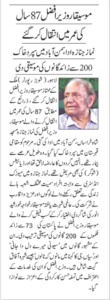
آج اخبار میں دیکھا، موسیقار وزیر افضل کل بروز منگل (7 ستمبر2021 ) 87 برس کی عمر میں انتقال کر گئے۔
شکوہ نہ کر، گلہ نہ کر، یہ دنیا ہے پیارے، یہاں غم کے مارے ۔۔۔
دل کو ایک دھچکا سا لگا۔
میں نے دو ڈھائی برس پی ٹی وی لاہور میں بطور معاون پروڈیوسر اور اپرینٹس پروڈیوسر کام کیا تھا۔ فروری 1985 سے لے 1987 کے آخر تک۔
اس دوران انھیں کئی مرتبہ دیکھا۔
جب ایک دن کسی نے بتایا، یہ وزیر افضل ہیں۔ میں حیران رہ گیا۔
ان میں کوئی بات ایسی نہیں تھی، جو منہہ پھاڑ پھاڑ کر بتاتی ہو کہ میں وزیر افضل ہوں، میں ایک بڑا موسیقار ہوں۔
بھاری جسم۔ لمبا قد۔ اور سانولا چمکتا ہوا رنگ۔
منکسرالمزاجی چہرے سے عیاں تھی۔ وہ تو مجسم عاجزی کی تصویر تھے۔
دیکھنے میں دیہاتی لگتے۔ آدمی پہلے سے سوچ لے
ٹرک، فوجی ٹرک اور سیاست
اپریل 1986 میں بے نظیر بھٹو کئی برس کی خودجلاوطنی کے بعد پاکستان واپس آئیں۔ لاہور میں ان کا شاندار استقبال ہوا۔
وہ ٹرک پر سوار تھیں اور ایئر پورٹ سے ناصر باغ تک لوگوں کا جم غفیر ان کے ہمراہ تھا۔

کچھ وقت کے بعد جب یہ ہلچل تھمی، تو کسی صحافی نے پیر پگاڑہ سے بے نظیر بھٹو کی سیاست کے بارے میں پوچھا۔
پیر پگاڑہ نے جواب دیا:
ابھی وہ ٹرک پر سوار ہیں، جب ٹرک سے نیچے اتریں گی، پھر ان سے بات ہو گی۔
اب اگر کوئی فوجی ٹرک پر سوار ہو جائے تو پھر سیاست بے چاری کا کیا بنے گا؟…
سیاسی وابستگی کی نازک رگیں
اس معاملے کو جذباتی وابستگی کے ساتھ بھی جوڑا جا سکتا ہے۔ بلکہ یہ معاملہ جذبات ہی کے ساتھ جڑا ہوا ہے۔
یعنی ایسی سیاسی وابستگی جو جذبات پر مبنی ہو۔ جذباتی سیاسی وابستگی۔

صاف بات ہے کہ اس قسم کی وابستگی، عقل و استدلال اور معقولیت و شہادت کو درخورِ اعتنا نہیں سمجھتی۔ کیونکہ جذبات، دلیل اور شہادت کا بوجھ اٹھانے سے قاصر ہوتے ہیں۔ اٹھا بھی نہیں سکتے۔
یہی سبب ہے کہ کسی بھی قسم کی سیاسی گفتگو میں جذباتی سیاسی وابستگی رکھنے والوں کے جذبات فوراً انگیخت ہو جاتے ہیں۔ وہ مشتعل ہو جاتے ہیں، بھڑک جاتے ہیں، تلخ ہو جاتے ہیں۔ اور اگر دوسرا فریق بھی اسی نوع سے تعلق رکھتا ہو، تو پھر بات گالم گلوچ، یا ہاتھا پائی تک پہنچ سکتی ہے، یا پہنچ جاتی ہے۔ جیسا کہ ٹی وی ٹاک شوز میں اب یا تب ہوتا بھی رہتا ہے۔
اور اگر دوسرا فریق …
فوجی مداخلت یا سیاست دانوں کی حیلہ جوئی
جیسے فوجی مداخلت ایک حقیقت ہے، اسی طرح، سیاست دانوں کی حیلہ جوئی بھی ایک حقیقت ہے۔
پاکستان کے شہریوں کے اصل ’’مجرم‘‘ سیاست دان ہیں۔ یہ میرا گذشتہ پندرہ بیس برسوں سے بہت سوچا سمجھا نقطۂ نظر ہے۔ گوکہ بہت کم لوگ ہیں، جو اسے ماننے پر تیار ہیں۔
عیاں رہے کہ میں ایک آئین پسند ہوں، اور آئین کی بالادستی، آئینی کی حکمرانی اور ایک آئینی حکومت کے حق میں ہوں۔ لیکن اس کے ساتھ ساتھ میں یہ بھی سمجھتا ہوں کہ بہت سے معاملات میں یہ صرف سیاست دانوں کی حیلہ جوئی ہے کہ وہ فوجی مداخلت کو بہانہ بنا کر شہریوں کے لیے کچھ نہیں کرتے، اور اپنا گھر بھرتے رہتے ہیں۔
اسلام آباد (2017) میں ایک تقریب میں پاکستان مسلم لیگ ن کے احسن اقبال بھی مقرر کے طور پر شریک تھے۔ میں نے ان کے سامنے یہ بات کہی کہ کیا یہ فوج ہے، …
خورشید ندیم اور جمہوریت کا تاریک مستقبل – میرا جواب
اگر آپ سنجیدہ سیاسی تحریر پڑھنا چاہتے ہیں، تو خورشید ندیم کے کالم پڑھا کیجیے۔
بگڑتے ہوئے حالات کے بارے میں ان کی تشویش بھی اصلی ہے، نقلی نہیں۔
قطع نظر اس سے کہ ان کا سیاسی جھکاؤ ہے یا نہیں، یا کس طرف ہے، آج (10 جولائی، 2021) روزنامہ دنیا میں چھپنے والا ان کا کالم میرے سامنے ہے۔ اس کے عنوان سے مایوسی ٹپک رہی ہے: جمہوریت کا تاریک مستقبل۔
جمہوریت کا مستقبل کیوں تاریک ہے، ان کی نظر میں اس کے پانچ اسباب ہیں۔
پہلا، سیاسی جماعتوں کی اقتداری سیاست۔
دوسرا، سیاسی جماعتوں کو سیاسی جماعت کے طور پر منظم نہیں کیا جاتا۔ یہ اقتدار پسندوں پر مشتمل ایک گروہ ہوتی ہیں۔
تیسرا، وہ مذہبی طبقہ ہے، جو جمہوریت پر یقین نہیں رکھتا۔
چوتھا، دانشور طبقہ ہے، جو محدود جمہوریت کا قائل ہے۔
پانچواں، وہ طاقت ور طبقہ، جو اقتدار اور اختیار عوام کے منتخب نمائندوں کو …
FTAs – Do they really free the trade?
In recent years free trade agreements have become fashionable. Thus, when two or more countries reach an agreement to allow free trade (because it is they which in the first instance imposed restrictions on free trade), it is publicized as a Free Trade Agreement. It is misleading and ridiculous! It’s not allowing free trade between the contracting countries, since there are more ‘strings’ here than the natural freedom allows!
[This short paper tires to highlight some of the points of Free Trade Agreements that negate the very concept of Free Trade. It argues that governments do not need any agreement to promote free trade; that is a contradiction in terms. Agreements are reached between trading parties, not between the governments. In order to explain this, South Asian Free Trade Area agreement’s text has been used as a test case. This agreement was reached between Bangladesh, Bhutan, India, Maldives, Nepal, Pakistan …
ہمارا سماجی و سیاسی مقدر کیسے بنتا ہے، اور بدلتا کیوں نہیں؟
۔ پہلی بات یہ کہ میرے پیشِ نظر پاکستان ہے۔
۔ اب آ جاتے ہیں، سوال کی طرف۔
۔ سوال بظاہر سادہ معلوم ہوتا ہے۔ مگر جیسا کہ سوال خود کچھ نہیں ہوتا، جس نوعیت کے جواب کی طرف یہ اشارہ کر رہا ہوتا ہے، وہ چیز اس کی اہمیت کا تعین کرتی ہے۔
۔ اس مفہوم میں سوال مشکل قطعاً نہیں، ہاں، اس کا جواب نہایت پیچیدہ اور طویل ضرور ہو گا۔
۔ مگر چونکہ یہ ایک مختصر تحریر ہے، لہٰذا، مختصر جواب پر ہی اکتفا کیا جائے گا۔
۔ یعنی جو چیزیں اور باتیں اس سوال کے جواب کی تشکیل کرتی ہیں، ان کی طرف محض اشارہ کیا جائے گا۔
۔ انسان تصورات کا مجموعہ ہے۔ اس کی زندگی کی قوتِ محرکہ تصورات ہیں۔
۔ مراد یہ کہ یہ اس طرح کی زندگی گزارتا ہے، یا گزارنا چاہتا ہے، جو اس کے تصورات سے میل کھاتی ہو۔
۔ …
دو سو سال طویل خواب، مغل اشرافیہ اور پاکستانی اشرافیہ
۔ بایاں بازو، دایاں بازو، لبرل، اور جو بھی ایسے ہی دوسرے انداز ہائے نظر موجود ہیں، یہ سب کے سب اب تک انگریزوں کو رد و مسترد کرنے میں لگے ہوئے ہیں۔
۔ یعنی انگریزوں کو گئے، ستر برس سے زیادہ ہو گئے، مگر یہ اب تک ان کو رگیدے جا رہے ہیں۔
۔ (اور یہ چیز قابلِ غور ہے کہ اگر اتنے برس بعد بھی ان کو رگیدا جا رہا ہے، تو اس کا مطلب یہ ہے کہ وہ کہیں بہت گہرائی میں جا کر کچھ نہ کچھ ایسا ہے جسے اس کی جگہ سے ہلا گئے ہیں۔)
۔ اور اب تک بتایا جا رہا ہے، وہ نہ آتے، تو ہم کہاں ہوتے، اور کیسے ہوتے۔ اور انھوں نے آ کر ہماری ترقی یافتہ تہذیب، ثقافت، صنعت، وغیرہ، کو کیسے برباد کر دیا۔ اور اب تک ہر بری اور غلط چیز کا رشتہ کولونیل دور سے جوڑ دیا …
پاکستانی فسطائیت اور ہٹلر کی فسطائیت
ایک پریشان خیالی تو یہ ہے کہ پاکستانی فسطائیت، فسطائیت نہیں، اور یہ کہ، جیسا کہ کچھ لوگ سمجھتے ہیں، فسطائیت تو ہٹلر کی فسطائیت تھی۔
یا شاید وہ چاہتے ہیں کہ پاکستانی فسطائیت کو ہٹلر جیسی فسطائیت ہونا چاہیے۔
فسطائیت کی تعریف اور اس کے بارے میں درسگاہی مطالعات سے قطع نظر، فسطائیت کو ایک رویے اور انداز ہائے نظر اور طرزِ عمل کے طور پر بھی سمجھا جا سکتا ہے۔
اس کی تہہ میں، کہیں نہ کہیں، خود پارسائیت کا زعم کلبلا رہا ہوتا ہے۔ یہ ہر کسی کو غلط اور گمراہ گردانتی ہے۔ یہ نہ تو تاریخ کو تسلیم کرتی ہے، نہ انسانی تہذیب کی تحصیلات کو۔ یہ کسی اصول کو نہیں مانتی، نہ ہی اقدار کا پاس کرتی ہے۔ یہ خود کو ایک اصول، معیار اور قدر کے طور پر پیش اور نافذ کرتی ہے۔
یعنی یہ خود ایک پیمانہ ہوتی ہے، جس پر دوسروں اور …
آپ کو ایسا نہیں کہنا چاہیے: ایک برتر قبیلے کے برتر اخلاقی شعور کی تحلیل
’آپ کو ایسا نہیں کہنا چاہیے۔‘
’آپ کو ایسا نہیں کرنا چاہیے۔‘
’آپ کو ایسا نہیں لکھنا چاہیے۔‘
’آپ کو ایسا نہیں سوچنا چاہیے۔‘
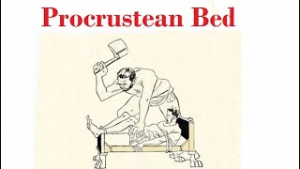
یا جیسے کہ سوشل میڈیا پر: ’آپ کو ایسی پوسٹ نہیں کرنی چاہیے۔‘
یہ ہیں وہ کلمات جو بعض اوقات یا اکثر اوقات ہر کسی کو کہیں نہ کہیں کبھی نہ کھی مختلف لوگوں سے سننے کو ضرور ملے ہوں گے۔ اور یقیناً اس ضمن میں لوگوں کا تجربہ مختلف رہا ہو گا۔ کسی کو ایسی باتیں کم اور کسی کو زیادہ سننے کو ملی ہوں گی۔ لیکن غالباً ایسا نہیں ہو گا کہ کسی کو ایسی کوئی بات کبھی سننے کو نہ ملی ہو۔
مجھے بھی مختلف مواقع پر ایسی باتیں سننے کو ملیں۔ زیادہ نہیں، بس چند بار۔ مگر یہ بہت تکلیف دہ تھیں۔ کیونکہ ایسی باتیں اکثر ان افراد کی طرف سے کہی گئیں، جو میرے بارے میں اچھی یا بہت اچھی رائے …
سیاست دان ووٹ کو عزت دلوانے سے قاصر ہیں
ـ نواز شریف (پاکستان مسلم لیگ ن) کا ’’ووٹ کو عزت دو‘‘ کا مقدمہ، قضیہ یا نعرہ گمراہ کن تھا۔
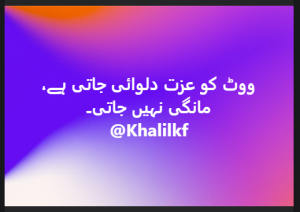
ـ ویسے اب تو یہ نعرہ سیاسی افادیت بھی کھوتا نظر آ رہا ہے۔
ـ اگر اس نعرے کی معنوی ساخت پر غور کریں، تو معاملہ عیاں ہو جاتا ہے۔
ـ ووٹ کو عزت دو، یوں ظاہر ہوتا ہے کہ جیسے کسی سے کوئی چیز، یعنی عزت مانگی جا رہی ہے۔
ـ کس سے؟
ـ اقتدار کی سیاست کے سیاق و سباق کو سامنے رکھیں، تو پتا چلتا ہے کہ ووٹ کے لیے یہ عزت، قائمیہ (Establishment) سے مانگی جا رہی تھی۔
ـ اور اب یوں باور ہو رہا ہے کہ ووٹ کو تو عزت نہیں ملی، مگر جیسے ووٹ کے لیے عزت مانگنے والوں کو کچھ عزت بخش دی گئی ہے۔
ـ اس اقتداری سیاست سے قطع نظر، اگر آئین کے سیاق و سباق کو سامنے رکھیں، تو جو …
پاکستان کی تاریخ کا سیاہ ترین دور
یہ 2018ء کے عام انتخابات سے دو تین ماہ پہلے کی بات ہے۔
مجھے یاد ہے یہ میرے لیے انتہائی مایوسی اور بے بسی کا دور تھا۔ بے بسی کا دور اس لیے تھا کہ جیسے یونانی دیوی کیساندرا کا معاملہ ہے کہ وہ جو پیشین گوئیاں کرتی ہے، وہ سچ ہوتی ہیں، مگر کوئی ان پر یقین نہیں کرتا۔
بلکہ میری مایوسی اول روز سے موجود تھی۔
جب 30 اکتوبر 2011ء کو لاہور میں تحریکِ انصاف کا جلسہ ہوا، اس وقت سے مجھے احساس ہو گیا تھا کہ کیا ہونے جا رہا ہے۔ یہ کوئی الہام جیسی چیز نہیں تھی۔ عمران خان کی شخصیت میں اور یوں تحریکِ انصاف میں جو رجحانات ابتدا سے موجود تھے، وہ بتا رہے تھے کہ پاکستان فسطائیت کی تاریکی میں ڈوبنے جا رہا ہے۔
اس معاملے پر میں نے نومبر 2011ء میں ایک مضمون بعنوان، ’’دوسرا عظیم دھوکہ‘‘ لکھنا شروع کیا (پاکستان کے …
نقصان برائے نقصان
ایک چیز یہ ہوتی ہے کہ کوئی کسی کو نقصان پہنچاتا ہے اپنے فائدے کے لیے۔ چلیں اس نے خود کوئی فائدہ تو اٹھایا۔
مگر ایک اور چیز ہوتی ہے کہ کوئی کسی کو نقصان پہنچاتا ہے، مگر خود اسے کوئی فائدہ نہیں ہوتا۔

تو سوال پیدا ہوتا ہے کہ پھر نقصان کیوں پہنچایا؟
یہی چیز ہے جو اب تک مجھے سمجھ میں نہیں آ رہی تھی۔ مگر اب مجھے یقین ہو گیا ہے کہ پاکستان کو نقصان پہنچایا جا رہا ہے، تو اس میں ہونے والی بہت سی چیزوں میں نقصان پہنچانے والے کو کوئی فائدہ نہیں مل رہا۔ وہ پاکستان کو بس نقصان پہنچانے کی خاطر نقصان پہنچا رہا ہے۔
اور پاکستان سے میری مراد پاکستان کے شہری ہیں۔ خاص طور پر عام شہری۔ نقصان انھیں پہنچ رہا ہے۔
اور یہ نقصان باہر سے نہیں، پاکستان کے اندر سے پہنچایا جا رہا ہے۔ اور نقصان پہنچانے والے وہ …
لوگوں کو الزام دینا، ذمے دار ٹھہرانا بالکل غلط ہے
کیا اس ملک کے لوگوں کے کوئی اصول ہیں، کوئی اقدار ہیں، جن پر وہ یقین رکھتے ہوں؟
مگر یہ سوال ہی غلط ہے؟
لوگ تو غیرمنظم ہوتے ہیں۔ ان کی طاقت بکھری ہوتی ہے، منتشر ہوتی ہے، وہ تو ایک کلرک کے خلاف کچھ نہیں کر سکتے۔
جب وہ منظم ہو جاتے ہیں، جیسے کہ شہری تنظیموں کی صورت میں، سیاسی جماعتوں کی صورت میں، تو ان کی طاقت بھی منظم ہو جاتی ہے۔ اور وہ طاقت ور بن جاتے ہیں۔
پھر یہ کہ لوگ بیشتر عملیت پسند یا عمل پسند ہوتے ہیں۔ یعنی وہ، جیسے بھی حالات ہوں، بڑی تیزی سے ان میں زندہ رہنا سیکھ لیتے ہیں۔ جو نہیں سیکھتے یا نہیں سیکھ پاتے، یا نہیں سیکھ سکتے، یا سیکھنا نہیں چاہتے، وہ ایک مفہوم میں ناکام زندگی گزارتے ہیں۔ یا خود کشی کر لیتے ہیں۔
ہاں، مگر کچھ لوگ ان حالات کو تبدیل کرنے کا بیٹرا …
نظریۂ ضرورت یا آئین کی بالادستی
کرپشن (بدعنوانی) کے خلاف سامنے آنے والے مختلف ردِ عمل
کرپشن بھی کئی دوسری چیزوں کی طرح قدیم سے موجود چلی آ رہی ہے۔
آج کی دنیا میں یہ جس طرح پھیلی ہوئی ہے، اس سے یہ باور ہوتا ہے، جیسے کہ اسے قبول کر لیا گیا ہو۔
لیکن حقیقت یہ ہے کہ ایسا نہیں ہوا۔ اسے کبھی قبول نہیں کیا گیا۔

کہنے سے مراد یہ ہے کہ کرپشن نظام کا حصہ بن گئی، لازمی حصہ، اور اسے اس نظام کو چلانے والوں نے قبول بھی کر لیا۔
لیکن جہاں تک عام لوگوں کا تعلق ہے، انھوں نے اسے قبول نہیں کیا۔ وہ تو نظام اور کرپشن کو قبول کرنے والوں، یعنی کرپشن کے نظام کو چلانے والوں کے ہاتھوں مجبور ہیں۔ اس نظام کے سامنے بے بس ہیں۔ جو اس نظام کو بدلنے کا نعرہ لگاتے ہیں اور اس نام سے سیاست کا ڈول ڈالتے ہیں، وہ بھی اسی کرپشن کے نظام کا حصہ ہیں۔ تو لوگ مجبور و …