اگر ملک کے معاملات آئین کے مطابق نہیں چلا سکتے، تو آئین کو تحلیل کر دیں
سیاسی قضیے: اتوار 11 مارچ، 2018
ایک جانور بھی کسی جگہ رہتا ہے تو اسے اس جگہ سے کچھ نہ کچھ لگاؤ ہو جاتا ہے۔ مگر یہ پاکستان کیسا ملک ہے، اس کے اشرافی طبقات کو ستر برس بعد بھی اس ملک، اس کی زمین، اس کے لوگوں سے ذرا بھی تعلق نہیں۔ ملک کی سیاست اور معیشت پر نظر ڈالیں تو یوں محسوس ہوتا ہے کہ جیسے مالِ غنیمت کو لوٹنے کی دوڑ لگی ہوئی ہے، اور یہی وہ سبب ہے کہ ہر ادارہ سیاسی ریشہ دوانیوں سے گہنایا ہوا ہے۔
زیادہ دور نہیں جاتے۔ صرف گذشتہ دو حکومتوں کو پیشِ نظر رکھ لیں، یعنی پیپلز پارٹی اور حالیہ مسلم لیگ ن کی حکومت۔ ابھی اس قضیے کو رہنے دیتے ہیں کہ انھوں نے کیا کیا اور ان کی کارکردگی کیسی رہی۔ ابھی صرف یہ دیکھتے ہیں کہ ان کے ساتھ کیا کچھ کیا جاتا رہا۔ غالباً انھیں ایک …
سیاست کے سینے میں آئین کیوں نہیں دھڑکتا؟
سیاسی قضیے: منگل 6 مارچ، 2018
چند برس قبل، میں نے پاکستان میں بائیں بازو کی جماعتوں کی مختلف دستاویزات دوبارہ دیکھنی شروع کیں، جن میں ان کی طرف سے شائع ہونے والے تجزیات، رپورٹیں، سالانہ جائزے، وغیرہ، شامل تھے۔ یہ چیزیں میرے پاس پہلے سے دستیاب تھیں، کیونکہ میں خود بائیں بازو سے وابستہ رہا تھا۔
ان دستاویزات کے مطالعے کے دوران، جس چیز نے مجھے اپنی طرف متوجہ کیا، وہ ’’آئین‘‘ کے ذکر کا مفقود ہونا تھا۔ ان میں قریب قریب تمام دستاویزات 1973 کے بعد سے تعلق رکھتی تھیں، مگر ان کے پس منظر میں ’’آئین‘‘ کہیں موجود نہیں تھا۔ مثال کے طور پر، پاکستان سوشلسٹ پارٹی، یا مزدور کسان پارٹی کی دستاویزات۔
کیا یہ حیران کن امر نہیں!
سوال یہ ہے کہ کیا آئین کو سامنے رکھے بغیر، کوئی سیاسی گفتگو بامعنی ہو سکتی ہے، خواہ آئین کو تبدیل کرنے کی بات ہی کیوں نہ ہو …
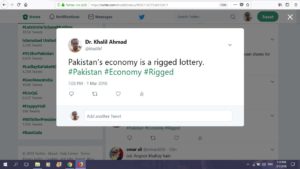
Today’s tweet – Pakistan’s economy
Pakistan’s economy is a rigged lottery.
…
Quaid’s 11 August (1947) Address Be made Substantive Part of the Constitution
Since long, a controversy has been raging as to what kind of state Quaid-i-Azam Mohammad Ali Jinnah wanted Pakistan to be: a religious state or a secular state. Fortunately, that controversy precludes certain extremes, for instance, it is generally understood and admitted that Quaid never wanted Pakistan to be a theocratic or a socialist state. That amounts to saying that the controversy focuses mainly on whether it was an “Islamic” state or a “secular” state that Quaid may have envisioned.
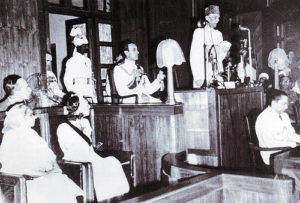
That controversy has its roots in what Quaid himself said, that is, the speeches and addresses he delivered on various occasions. Both of the camps quote and cite inconsistent statements and argue for their case. That’s what makes the controversy complicate manifold.
Apart from such dishonesties with the help of which concocted statements are attributed to Quaid; or out of the context meanings are drawn from his statements; or this …
لوگوں کی جیب سے پیسے نکلوانا کوئی پنجاب حکومت سے سیکھے
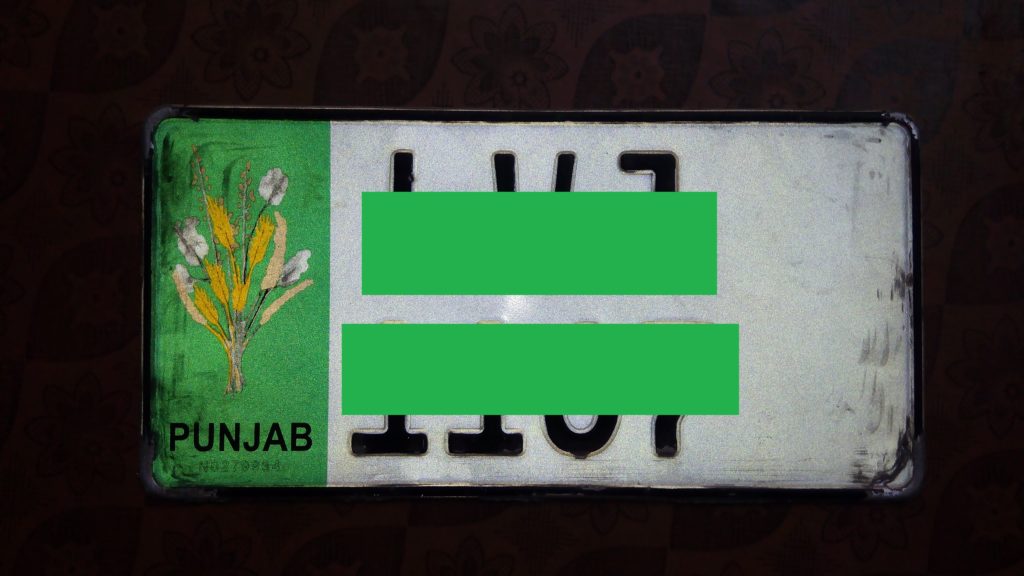
آج (4 اکتوبر،2017ئ، کو) ”ڈان“ میں ایک چھوٹی سی خبر شائع ہوئی ہے۔ سرخی یہ ہے: غیرمصدقہ نمبر پلیٹوں پر یلغار (”کریک ڈاؤن“) شروع۔ تفصیل اس خبر کی یہ ہے کہ چیف ٹریفک آفیسر نے منگل کو وارڈنز کو غیر مصدقہ نمبر پلیٹوں کی حامل موٹر بائیکوں اور دوسری گاڑیوں پر یلغار میں شدت لانے کی ہدایت کی۔ ٹریفک پولیس کے مطابق اس یلغار میں شد ت لانا اس لیے ضروری ہے، کیونکہ غیرمصدقہ نمبر پلیٹوں والی گاڑیاں دہشت گردی کے لیے استعمال ہوتی ہیں۔
اس خبر نے مہمیز کا کام کیا۔ میں اس معاملے پر گذشتہ ہفتے بھر سے لکھنا چاہ رہا تھا۔ ہوا یوں کہ غالباً پچھلے برس یا ا س سے پچھلے برس جب ان نمبر پلیٹوں کی تشہیر شروع ہوئی، اور چند اخبارات میں دھڑا دھڑ اشتہار چھپنے لگے، تو میں نے یہی سوچا اور سمجھا کہ یہ بھی ان اخباروں کو نوازنے کا طریقہ ہے؛ …
Article 184 – interpreting it paradoxically
As far as the interpretation of the article 184 is concerned, common-sense understanding is altogether different. It has three clauses that form the whole of this article. Its title is: The Original Jurisdiction of Supreme Court.
The first clause states: (1) The Supreme Court shall, to the exclusion of every other court, have original jurisdiction in any dispute between any two or more governments.
The second clause states: (2) In the exercise of the jurisdiction conferred on it by clause (1), the Supreme Court shall pronounce declaratory judgments only.
The third and the last clause states: (3) Without prejudice to Article 199, the Supreme Court shall, if it considers that a question of public importance with reference to the enforcement of any of the Fundamental Rights conferred by Chapter 1 of Part II is involved, have the power to make an order of the nature mentioned in the said Article.…
Book stressing need for new social contract launched
Dawn October 28, 2017
ISLAMABAD: State emerges from society so it has no right to make the society hostage and start supporting non-state actors who are a threat to the society. As even political parties do not follow the Constitution, there is a need to have a new social contract to run the country.
Read the story: https://www.dawn.com/news/1366767/book-stressing-need-for-new-social-contract-launched…
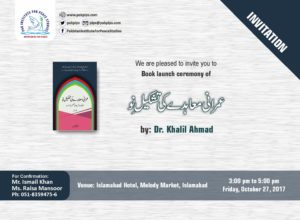
عمرانی معاہدے کی تشکیلِ نو: تقریبِ رونمائی، 27 اکتوبر (2017)، اسلام آباد
عمرانی معاہدے کی تشکیلِ نو: انسانی معاشرے کی تنظیم کے اصول
تقریبِ رونمائی، 27 اکتوبر (2017)، اسلام آباد
 …
…
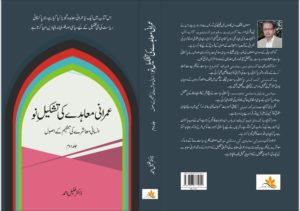
میری نئی کتاب: ’’عمرانی معاہدے کی تشکیلِ نو: انسانی معاشرے کی تنظیم کے اصول‘‘ شائع ہو گئی
بالآخر ’’عمرانی معاہدے کی تشکیلِ نو : انسانی معاشرے کی تنظیم کے اصول‘‘ شائع ہو گئی۔
تحقیق و تحریر میں چار برس سے زیادہ کا عرصہ لگا، اور قریباً چھ ماہ اشاعت کے مراحل طے کرنے میں۔
صفحات: 800
قیمت: جلد اول و جلد دوم 1500 روپئے
ملنے کا پتا: میری گولڈ بُکس، لاہور
WWW.Facebook.com/MarigoldBooks


…
Today’s tweet: Internet tax in Punjab
Real culprit are the politicians: my interview in Urdu daily: Express
پاکستان کے اصل مجرم سیاست دان ہیں:
روزنامہ ایکسپریس میں میرا انٹرویو
17 اگست، 2017
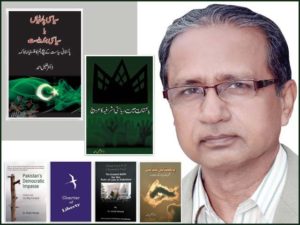
پورا انٹریو ملاحظہ کیجیے:
https://www.express.pk/story/907963/…
My nationalist pride
My two cents (tweets)
It kills the somewhat nationalist pride in me that the office of prime minister has a pride that needs to be supplemented by another office!
Every other laxity, corruption, etc I feel I may tolerate, not this one! It’s absolutely unbecoming no matter it’s constitutional or not.
Sense of direction
Is keeping assets abroad criminal?
Wikileaking clandestine governments
The latest ‘leaks’ of Wikileaks provide a historical opportunity to re-consider many a taken for granted truths!
So, is London the last refuge for the Kleptocrats-Criminals?
On September 16, 2016, Dawn published the following Situationer, which explains how law may not win over politics in UK:
Politics, not law, likely to decide murder probe
By Owen Bennett-Jones
Here is the text of the piece:
LONDON: Shortly before 17:30 on Sept 16, 2010, Dr Imran Farooq was on his way home from work when he was murdered outside his home in Green Lane, Edgware, in north London. As the police subsequently reported, a post-mortem gave his cause of death as multiple stab wounds and blunt trauma to the head.
Bridging The Communication Gap With PPP!
The American contradiction
In sum,
The perils of judicial populism
– Warren E. Burger (1907-1995), Chief Justice, US Supreme Court.
The perils of judicial populism