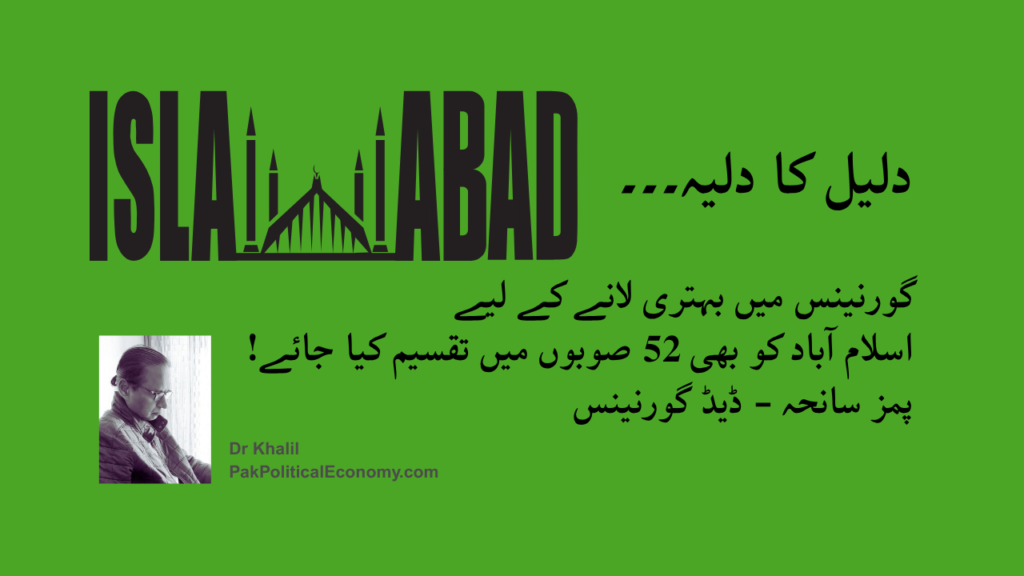
Divide Islamabad into 52 provinces
Minced Reasoning…
To improve governance, Islamabad should also be divided into 52 provinces!
PIMS Tragedy – Dead Governance…
The State and the Citizens: The Right to Record Video
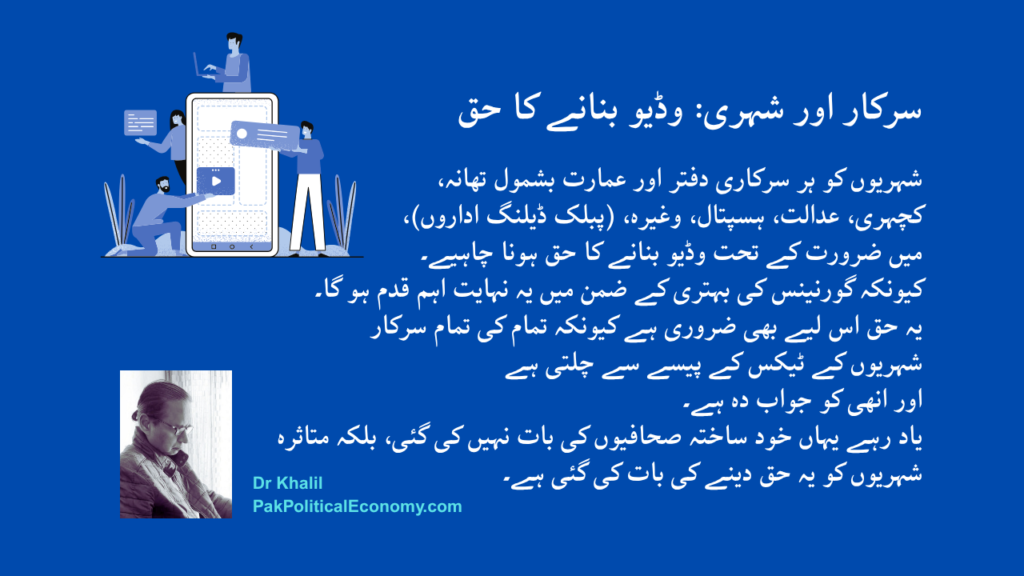
Citizens should have the right to record video in every government office and building, including police stations, courts, hospitals, and other public-dealing institutions, as required.
This would be a critically important step toward improving governance.
This right is also essential because the entire state apparatus is funded by taxpayers’ money and is accountable to them.
It must be noted that this does not refer to self-styled journalists, but to granting this right to affected citizens.…
Journalism and the Murder of Common Sense
According to a report in Jang (August 25), a new feat of the bureaucracy has come to light: 33 retired officials are receiving their pensions in foreign currency after relocating abroad.
How is this a feat of the bureaucracy?
This is, in fact, the doing of the political aristocracy (ریاستی اشرافیہ) that runs the affairs of government and that has granted these officials pensions in foreign currency.
Journalism has also kicked “common sense” to the curb.…
Social Politics and Envy
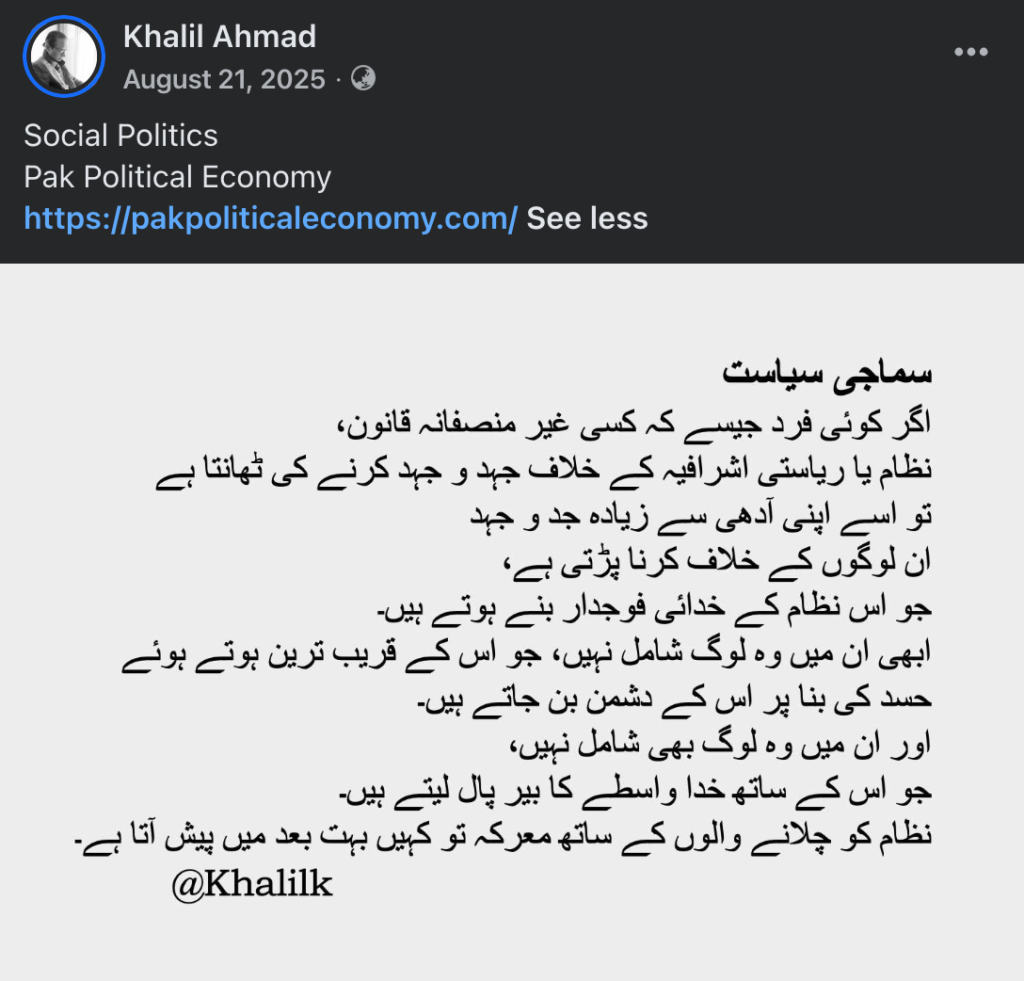
If an individual decides to struggle against an unjust law, system, or State Aristocracy (ریاستی اشرافیہ), then more than half of that struggle must be waged against those who act as the divine custodians of that system.
This does not yet include those closest to him who, out of envy, become his enemies. Nor does it include those who harbor baseless animosity toward him.
A confrontation with those who actually run the system comes much later. Khalil…
Has Shehbaz Sharif ever crossed a road in Pakistan?
The Ashrafiya do go for a “walk”…
But do they ever cross the road?
How many members of the Ashrafiya in Pakistan
would have ever needed to cross a road?
Or how many times would Shehbaz Sharif
have crossed a road in Pakistan?
Think about it……
In war and love, and in Pakistan, everything goes
Not only in war and love,
but also in ‘Pakistan,’ everything goes.
Khalil…
Our Brand is Crisis! The system has collapsed type of politics
“Our Brand is Crisis!”
The system has collapsed type of politics
The system has collapsed.
Yes, 100 percent correct judgement.
And the reason is the slogan,
“The system has collapsed.” is part of the
anti-system politics.…
The Patient, The Hospital, and The Deal
If the “patient” has been sent to the “hospital”
as a result of a “deal,”
then there is no longer any need for any court —
from the trial court to the Supreme Court.
And if the Supreme Court,
disregarding the Jail Manual,
has granted a benefit to the “patient,”
then the Supreme Court itself has committed a deviation from the law.…
The system has collapsed
Absolutely correct. One hundred percent correct.
The system has fallen apart!
That is precisely why people like Mohsin Naqvi
have managed to infiltrate the system.
What happened when the wall of my dilapidated house fell
people made pathways through my courtyard.
Sibt-e-Ali Saba…
پاکستانی ارسطوؤں کی نکتہ آفرینی
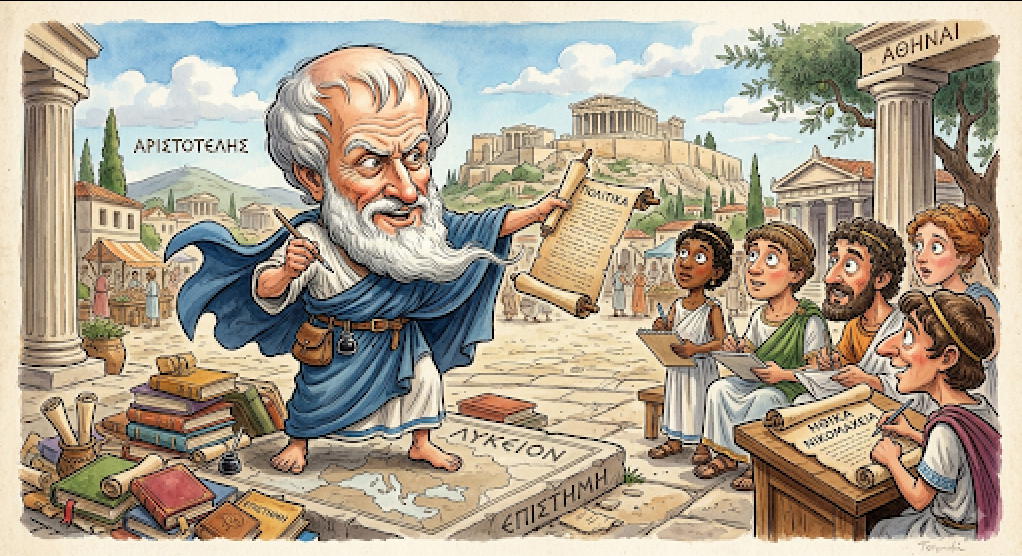
یعنی اگر قوم صبح صبح بیدار ہونے لگے تو کیا سیاست دان فوج کے ساتھ ساز باز کرنا چھوڑ دیں گے؟
آج صبح ’’سِول پاکستان پارٹی اوپن مائیک گروپ‘‘ میں ایک صاحب نے ایک طویل تحریر پیش کی۔ پہلے آپ بھی یہ تحریر ملاحظہ کر لیجیے، پھر اس پر بات کرتے ہیں:
بہادر شاہ ظفر کے سارے شہزادوں کے سر قلم کر کے اس کے سامنے کیوں پیش کیے گئے۔ قبر کے لیے زمین کی جگہ کیوں نہ ملی۔ آج بھی اس کی نسل کے بچے کھچے لوگ بھیک مانگتے پھرتےہیں۔ کیوں؟
پڑھیں اور اپنی نسل کو بھی بتائیں۔ تباہی 1 دن میں نہیں آ جاتی۔
صبح تاخیر سے بیدار ہو نے والے افراد درج ذیل تحریر کو غور سے پڑھیں:
زمانہ 1850ء کے لگ بھگ کا ہے مقام دلی ہے وقت صبح کے ساڑھے تین بجے کا ہے سول لائن میں بگل بج اٹھا ہے۔ پچاس سالہ کپتان رابرٹ …
Even the Proxy Parties Want Provinces!
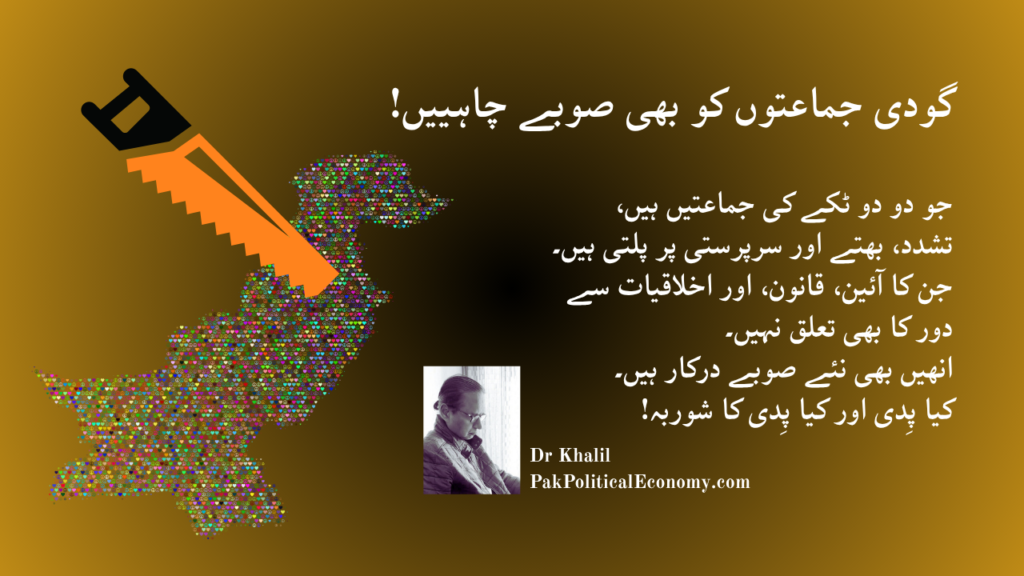
Those petty, two-bit parties
that thrive on violence, extortion, and patronage.
That have no connection whatsoever
to the Constitution, the law, or ethics.
Even they are demanding new provinces.
What to speak of the insignificant,
and even the broth of the insignificant!…
Intellectual Independence is the jewel
How do things happen?
Under a conducive environment?
No.
Under adverse circumstances?
No.
Only when individuals assert their intellectual independence!…
New Provinces: Yes or No — The Solution is a Referendum
What the establishment thinks, and does not think,
about new provinces and their number is of absolutely no importance.
What matters is what the people of Pakistan think about new provinces.
Therefore, a referendum should be held on the matter of new provinces.…
آزادی کا مطلب: یعنی یہ آزادی کسے مِلی اور کس لیے مِلی؟
آزادی کا مطلب:
یعنی یہ آزادی کسے مِلی اور کس لیے مِلی؟
’’اگر پاکستان نہ بنتا تو برصغیر کی مسلم اشرافیہ کو دوبارہ حاکم بننے کی آزادی نہ ملتی!‘‘
14 اگست 1947 سے پہلے اس آزادی کا کیا مطلب تھا، جو بھی تھا وہ تاریخ کا حصہ بنا۔
14 اگست کے بعد اس آزادی کا جو مطلب بنا اصل میں وہ اہم ہے۔ کیونکہ یہی مطلب ہے جس نے پاکستان میں بسنے والے انسانوں کو حیوانوں سے ملتی جلتی زندگی گزارنے پر مجبور کر دیا ہے۔ آئیے اس مطلب کو سمجھنے کی کوشش کرتے ہیں:
- 14 اگست کو آزادی ملی برصغیر کی مسلم اشرافیہ کو ایک نئے ملک پاکستان میں دوبارہ حاکم بننے کی
- 14 اگست کو آزادی ملی پاکستان میں آباد اور آ بسنے والے مختلف گروہوں کو اشرافیہ بننے کی
- 14 اگست کو آزادی ملی اشرافیہ کے پرانے نئے طبقات کو خود میں ایک نئی زندگی پھونکنے
اُٹھا کر ریلوے بھی ڈھیر پہ کوڑے کے دے مارا
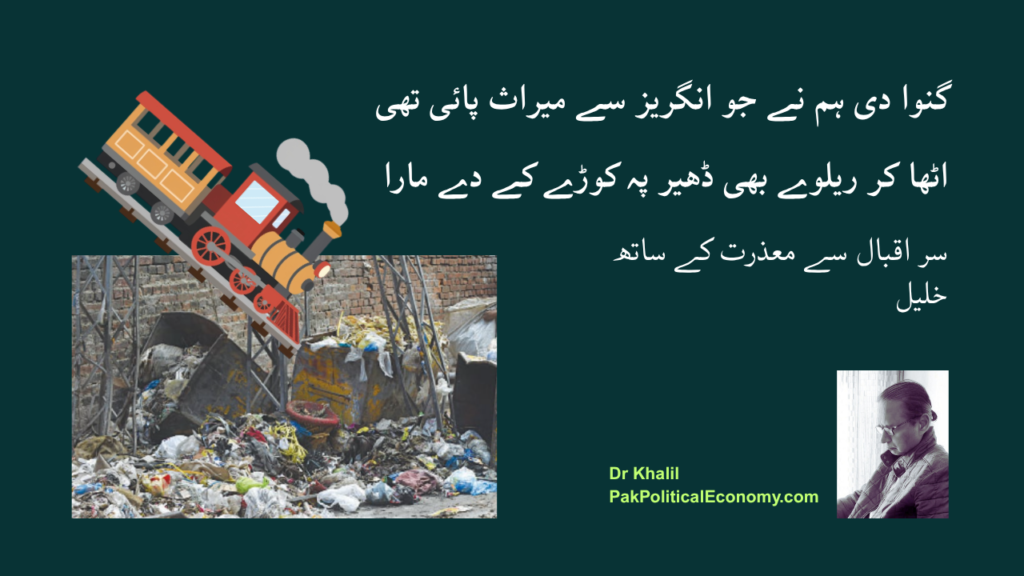
With apologies to Sir Iqbal:
We have squandered the legacy we inherited from the British,
We have even hauled the railways and dumped it on a rubbish heap.
Khalil…
A Targeted Method for Eliminating Cartel Political Parties
Political parties do not represent the citizens.
They are trade unions of politicians.
The way to rid ourselves of them is to make elections entirely democratic.
That is, the Election Commission will draw lots from among all the voters present in a constituency,
and thus a representative of the citizens for that constituency will be selected.
This is complete and pure democracy.
Genuine, straightforward democracy without intermediaries — representatives, spokespersons, or brokers.…
Let the People Decide: Referendum on New Provinces
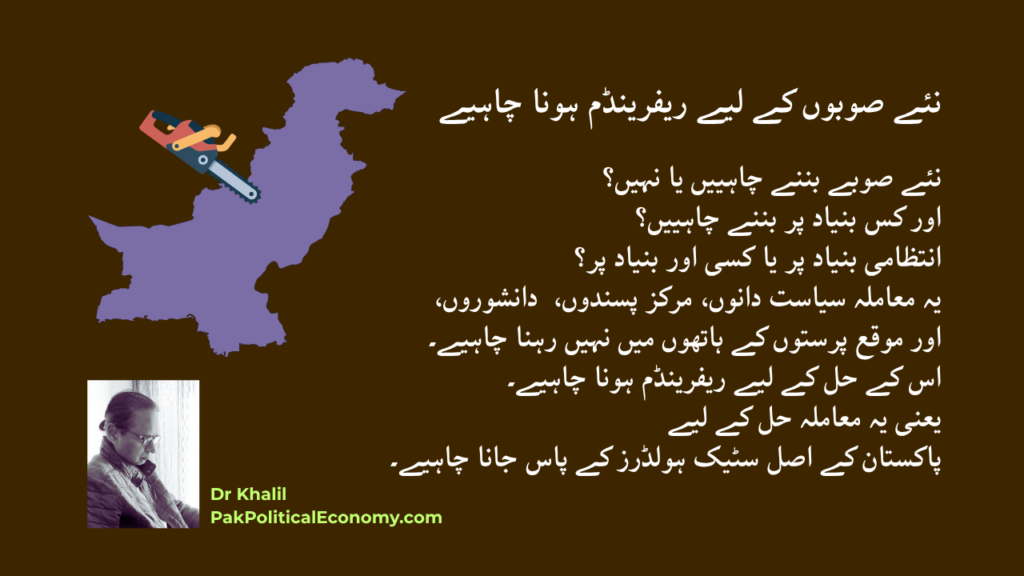
Should new provinces be created or not?
And on what basis should they be created?
On an administrative basis, or on some other basis?
This matter should not be left in the hands of politicians, centralists, intellectuals, and opportunists.
To resolve it, there should be a referendum.
In other words, this issue should be placed before Pakistan’s true stakeholders for resolution.…
Defence Agreements : Dead Governance
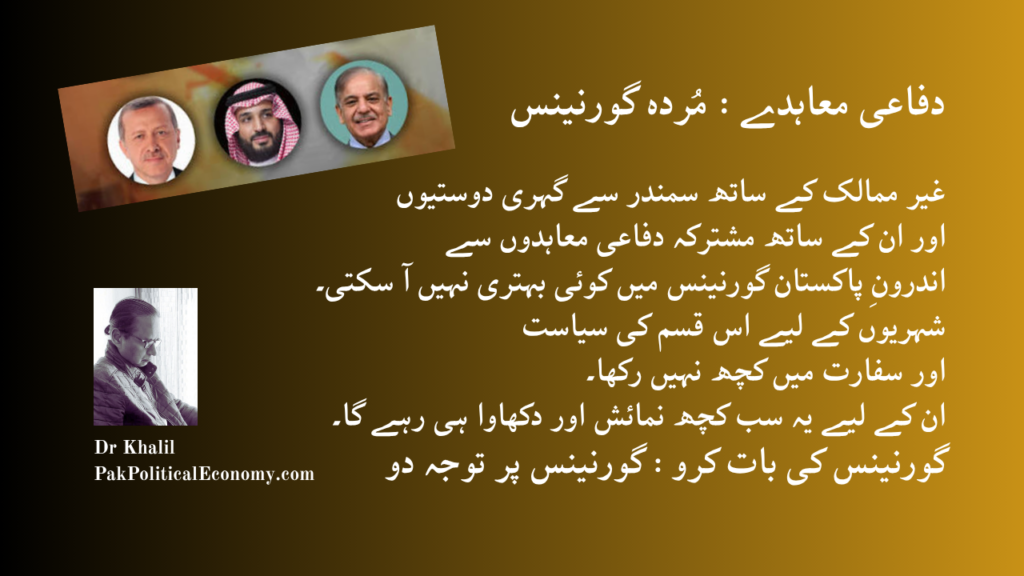
Friendships “deeper than the sea” with foreign countries
and joint defence agreements with them
cannot bring about any improvement in governance within Pakistan.
For citizens, there is nothing to be gained from this kind of politics and diplomacy.
For them, all of this will remain mere exhibition and show.
Talk about governance <> focus on governance
…
محمد حسن عسکری اور روایت کا نزاع
افلاطون عزیز ہے، صداقت عزیز تر۔ ارسطو
ابتدائیہ:
اس مضمون پر کام جب میں کلر سیداں میں تھا تو وہاں شروع کیا تھا۔ یہ دسمبر 1990 کی بات ہے۔ اور وہیں اس کے مختلف حصوں کی ایک ترتیب اپریل 1991 میں تیار بھی کی تھی، جس کے مطابق اسے مکمل کرنا تھا۔ اس کے بعد ایک بہت بڑے عرصے تک زندگی کے بکھیڑے اور الجھاؤ سلجھاؤ اور لکھنے لکھانے کی دوسری مصروفیات آڑے آتی رہیں۔ کبھی کبھی دھیان اس طرف گیا بھی، مگر اس پر متوجہ نہیں ہو سکا۔
ابھی جب 2025 اکتوبر میں پرائم انسٹیٹوٹ اسلام آباد کی طرف سے سر سید احمد خان پبلک لیکچر کی دعوت ملی تو یہ لیکچر لکھتے ہوئے محمد حسن عسکری کا ذکر بھی در آیا۔ بلکہ اس سے قبل بھی اپنی کتاب، ’’دانشور اشرافیہ‘‘ پر کام کرتے ہوئے بھی عسکری صاحب کا تذکرہ کرنا پڑا۔
یعنی بارہا اس مضمون کی یاد …
The way out of the international migration crisis
Among other things,
the most crucial factor is the uneven development of human populations on planet Earth,
caused by the ruling Ashrafiya in their respective countries.
This factor seeks to dissolve the political world order,
which is neither possible nor advisable.
Migration is not a solution.
Nor is destroying the developed world.
Emulating the developed world is the only way out and a win-win solution.
This means especially low taxes
and a greater role for societies than for their states.
The main cause of the continued existence of an unevenly developed world
is the support extended by the developed world to the ruling Ashrafiya of those countries.
This support must end.
…