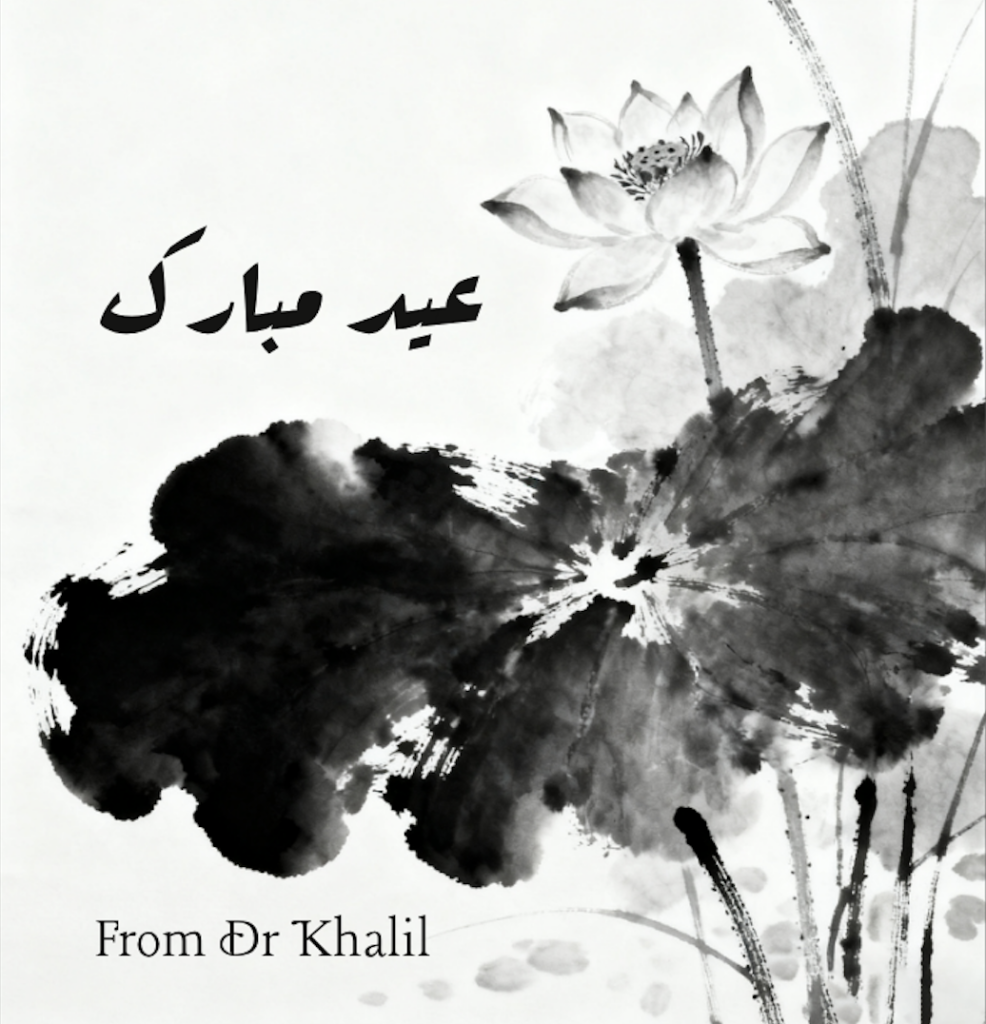
عید الفظر مبارک
 …
…
اہلِ دانش اور فکری پیش رفت کا مخمصہ
پاکستان میں اہل دانش کا طبقہ ذہنی اور فکری طور پر جیسے ایک نقطے پر مقیم ہے۔ اس نے خود کو چند تصورات کے حصار میں محفوظ بنایا ہوا ہے۔ اور کھُلے اور ناوابستہ ذہن کے ساتھ کسی معاملے کو جانچنے پرکھنے سے محترز ہے۔
مراد اس سے یہ ہے کہ اس طبقے کے ساتھ منطقی اور فلسفیانہ گفتگو کا امکان قریب قریب محال ہے۔ کیونکہ اس طبقے کی فکر کچھ مخصوص قضایا اور کچھ معروف تعصبات پر مبنی ہوتی ہے۔ واضح رہے کہ میں نے قضایا و تعصبات کی بات کی ہے، اقدار کی نہیں۔
آپ جو بھی معاملہ و مقدمہ اس طبقے کے سامنے رکھتے ہیں، یہ اس پر توجہ دینے کے بجائے آپ پر کوئی لیبل چسپاں کر دیتا ہے۔ اور یوں بات آگے نہیں بڑھتی اور وہیں ختم ہو جاتی ہے۔ کیونکہ مثال کے طور پر جب آپ سامراج یعنی امریکہ یا پاکستان کی قائمیہ کے …
بابت ایران پر امریکی و اسرائیلی حملہ: سیاسی دنیا ایک بہاؤ میں ہے
انسانی دنیا ہمیشہ سے ایک دنیا رہی ہے۔ یعنی وحدت پر مبنی دنیا۔
مختلف ریاستوں اور ممالک کے مابین سیاسی و جغرافیائی تقسیم کوئی ناقابلِ تبدیل تقسیم نہیں تھی، نہ ہے۔ یہ سیاسی تقسیم تھی، اور ہے۔
مگر سیاسی فلاسفہ نے اس سیاسی تقسیم کو سیاسی فلسفے کے جامد تصورات میں متشکل کر دیا تھا۔
ان تصورات میں سے نہایت گمراہ کن تصور اقتدارِ اعلیٰ (Sovereignty) کا تصور ہے۔
یہاں میں اس تصور کے ایک بڑے نتیجے کو سامنے لانا چاہتا ہوں۔
ہر قسم کی حکومتوں نے اس تصور کو اپنی اپنی جغرافیائی حدوں کے اندر اپنی طاقت کو دوام بخشنے کی خاطر استعمال کیا۔ یعنی اپنے شہریوں پر ناجائز حکمرانی قائم کرنے کے لیے استعمال کیا۔
انسانی دنیا کی موجودہ صورتِ حال میں یہ بات عیاں ہے اور اسے سمجھنا آسان بھی ہے کہ سیاسی فلسفے کے کئی تصورات بہاؤ میں ہیں۔ بالخصوص اقتدارِ اعلیٰ کا تصور۔
یہ بات …
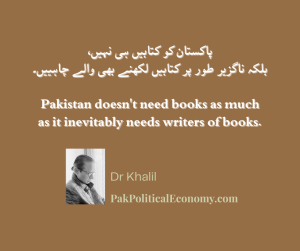
More than books, it’s the writers of books that Pakistan needs
پاکستان کو کتابیں ہی نہیں،
بلکہ ناگزیر طور پر کتابیں لکھنے والے بھی چاہییں۔
Pakistan doesn’t need books as much as it inevitably writers of books.
Khalil
24 January, 2026…
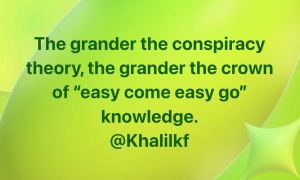
Conspiracy theories accrue no knowledge
The grander the conspiracy theory,
the grander the crown of “easy come easy go” knowledge.
Khalil
24 November, 2025…
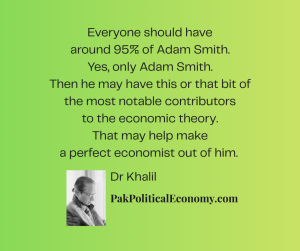
A few elements of a perfect economist
13-01-2026
A few elements of a perfect philosopher
Everyone should have about one-fourth of Socrates,
another one-fourth of Aristotle,
more than half a percent of Plato,
and finally
a thorough dip into Karl Popper
– that may help make a perfect philosopher out of him.
Dr Khalil

10-01-2026
…
Happy New Year نیا برس مبارک
While stepping into 2026,
let’s reboot ourselves with common sense
and reason in our thoughts,
actions, and daily lives.
Above all, let’s resolve to stand by
moral principles in everything we do.
Here’s to a year of integrity, tolerance,
and composure.
Happy New Year…
Thank you, Arif Habib, for purchasing the White Elephant!
Thank you, Arif Habib,
for purchasing the White Elephant!
…
سیاسی پارٹیاں: اخلاقی حِس اور قانون کی حاکمیت کا قتل
سیاسی پارٹیوں نے باہر کے محتسب (قانون کی حاکمیت) کو مار دیا ہے۔
لوگوں نے اپنے اندر کے محتسب (اخلاقی حس) کو۔
 …
…
A conspiracy theory flattens anything, everything
The grander the conspiracy theory,
the grander the crown of “easy come easy go” knowledge.
 …
…
جون ایلیا: ایک پہچان – ایک تاثر
جون ایلیا ایک باغی ہیں۔
وہ کسی سانچے میں فِٹ نہیں بیٹھتے۔
وہ کسی سانچے میں فِٹ بیٹھ ہی نہیں سکتے۔
وہ سانچوں کے لیے نہیں بنے تھے۔ نہ ہی سانچے ان کے لیے۔
وہ خالص باغی ہیں۔

وہ ایک خارِ مغیلاں تھے، جو خود ان کے وجود میں پیوست تھا۔
وہ جس اضطراب، جس احساسِ ناآسودگی کا شکار تھے، خود انھیں بھی اس کی خبر نہیں تھی۔
یہی سبب ہے کہ وہ ہمہ اضطراب، ہمہ احساسِ ناآسودگی تھے۔
وہ ایک ایسا بھالا تھے، جس کا پھل خود ان کے دل کے آر پار تھا۔
وہ خود اپنے گھائل تھے۔
وہ ایک ایسے شکاری تھے، جو خود اپنا شکار ہو گیا ہو۔
وہ انا پسند ہوتے ہوئے بھی اپنی انا پسندی سے مطمئن نہیں تھے۔
وہ لااُبالی اور تلون مزاج تھے۔
وہ ایک شوہر تھے۔ باپ تھے۔ مگر نہیں تھے۔
یہ دنیا داری ان کے شایانِ شان نہیں تھی۔
وہ …
فکری ظرف: کیا برِصغیر میں کوئی مسلم فکر وجود رکھتی ہے؟
برِصغیر ہی کیا، دنیا بھر میں مسلمانوں کی فکر بیشتر مذہبی تقدس میں ڈوبی ہوئی تھی۔ آج بھی ایسا ہی ہے، یعنی پاکستان سمیت۔

لیکن ایک چیز جو سمجھنے کی ہے، وہ یہ ہے کہ برِصغیر میں مسلمانوں کی فکر کا محاورہ (ایڈیم) ’’ادبی‘‘ تھا (اس کی وضاحت آگے آئے گی)۔ وہ اِن اصطلاحات اور اس سیاق و سباق میں سوچتے تھے۔ مراد یہ کہ اگر کوئی محقق برِصغیر کے مسلمانوں کی فکر پر کام کرنا چاہتا ہے، تو اسے لگے بندھے پیمانوں کو طاق میں رکھنا ہو گا۔ یعنی اگر کوئی یہ کہے کہ یہاں برِصغیر میں مسلمانوں میں کسی فکر کا ارتقا نہیں ہوا تو اس کا یہ کہنا غلط ہو گا، کیونکہ وہ لگے بندھے پیمانوں کا اطلاق کر رہا ہو گا۔
یہاں ایک نیا پیمانہ جو میں وضع کر رہا ہوں، وہ یہی ہے کہ برِصغیر میں مسلمانوں کی فکر کی تفہیم کے لیے مغربی فکر …
Dr Frankenstein and his monsters

Khalil
A Nobel Peace Prize for the POTUS (Donald J. Trump)
POTUS (Donald J Trump) to win the Nobel Peace Prize next year provided Hamas-Israel agreements hold.

Khalil…
The same ethos
Truth as an exclusive privilege
No debate or exchange of ideas is possible with those who consider truth as their exclusive privilege.

Khalil…
Too much mess. All in all, it is too much mess.
Too much mess. All in all, it is too much mess.
Yes, the government has created too much mess. It has become a total administrative state, especially in the province of Punjab, and every government, be it federal or provincial or AJK’s or GB’s, has mismanaged everything to the hilt.
Yes, all the governments need to be cut down to a smaller size to indispensably allow the society to move forward and achieve progress and prosperity on its own. And the governments’ writ must be confined to their protective function only.
17-9-25…
Let us disapprove of all photo ops
It always happens that the essence of the work is lost, and the outward form survives. Not only does this outward form survive, but it also loses all its semblance and transforms into mere optics. For instance, politics has become but a second name for the optics now.
Likewise, in the work of “flood relief,” be it being done by private actors or by the government functionaries, photo ops (photo opportunities) have attained supremacy over the essence of helping others.
In the wake of this, it behooves that all such photo ops be completely shunned.
Along with being shunned, people should disapprove of them and those who indulge in photo ops while helping others.
No photo ops while helping others.
Help others without photo ops.
No photo ops.
Help others by being anonymous.
9-9-2025…
Philosophical beings and psychological beings
Most Pakistanis are psychological creatures.
Only a minority elevate themselves to a philosophical level, and a lot of them now and then relapse again into their psychological niche.
So we have very few philosophical beings in our midst. The majority of political beings are also psychological beings.
And it is for the same reason that our society does not evolve intellectually.
7 September, 2025…