پنجاب: ن لیگ کی گورنینس کا شیش محل
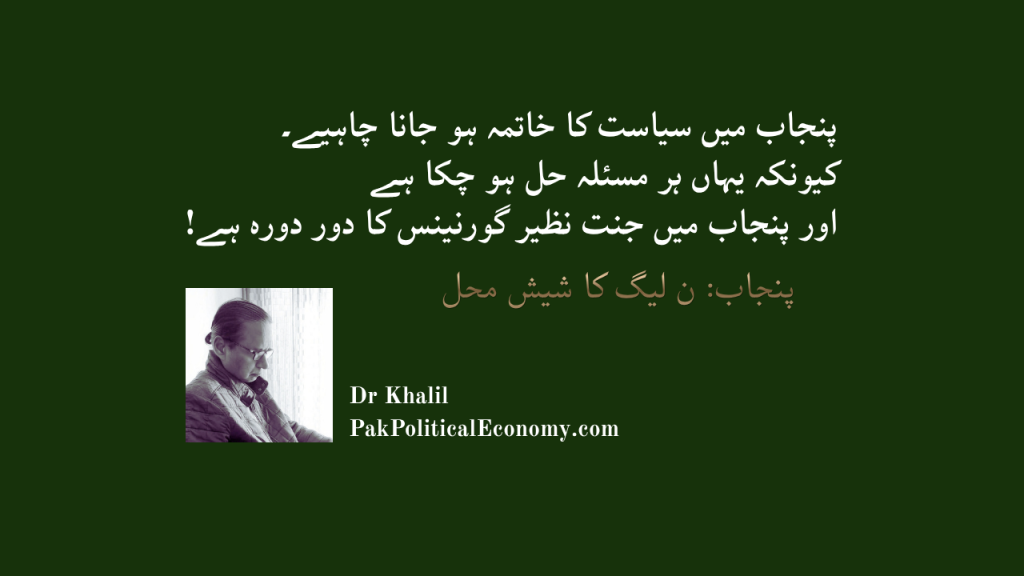
پنجاب میں سیاست کا خاتمہ ہو جانا چاہیے۔
کیونکہ یہاں ہر مسئلہ حل ہو چکا ہے
اور پنجاب میں جنت نظیر گورنینس کا دور دورہ ہے۔…
The summit: apparently what Trump and Xi didn’t do
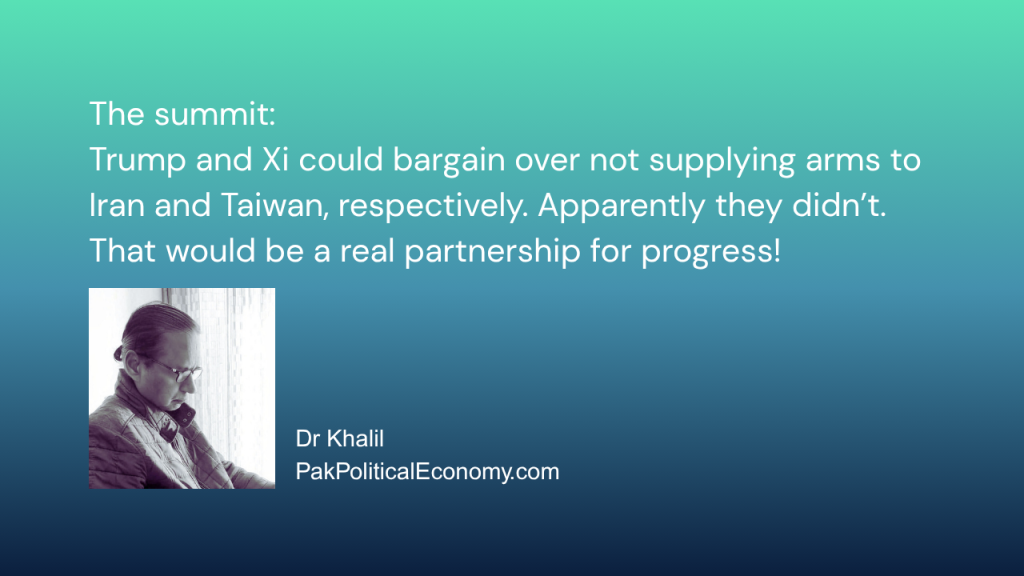
The summit:
Trump and Xi could bargain over
not supplying arms to Iran and Taiwan, respectively.
Apparently they didn’t.
That would be a real partnership for progress!
…
باقی کون رہ گیا؟ عدالت کا جج
ایک منشیات بنانے والی اور منشیات کا دھندہ کرنے والی
ڈان سے پہلے ایک وکیل شادی کرتا ہے،
اور پھر ایک پولیس افسر۔
باقی کون رہ گیا؟ عدالت کا جج۔
یہ ہے ریاستِ پاکستان کی ہیتِ ترکیبی!…
Analytic Syndrome
An intellectual disease
wherein one is engaged in an endless series of analyses of political developments
without bothering oneself about the resolution of the issues
facing the people or the way forward.
Almost all of the Pakistani intellect in general and
Danishwar Ashrafiya (intellectual aristocracy) in particular have lost to it.…
A cursed country
From day one,
Pakistan has been a cursed country.
Whose curse is it suffering from?
The Politicians’.…
ن لیگ یا سیاسی ڈریکولا
ن لیگ کا سیاسی لاشہ
کب تک ڈریکولا کا کردار ادا کرتا رہے گا؟…
Opposition is a government in disguise
No need to… absolutely no need
to hear or support what the opposition says about the government.
They did exactly the same things
while they were in the government.
Or else there would have been certain improvements visible to each of us.…
!جناب وزیرِ اعظم، لوگوں کا ٹیکس کا پیسہ آپ کی کمائی نہیں
وزیر اعظم پاکستان
جناب شہباز شریف
آپ کو یہ اختیار نہیں
کہ لوگوں کے ٹیکس کے پیسے کو
گرینڈ حیات کے فلیٹ مالکان میں بانٹیں۔
ہاں آپ آپ اپنی کمائی کو جہاں بھی چاہیں بانٹ سکتے ہیں۔…
Pakistani Iron Curtain
There’s an iron curtain set between the people and the Riyasati Ashrafiya,
the real owners of the state of Pakistan.
No information, that is, grievances, complaints, problems, and voices manifesting them,
from the side of the people
can cross over to the other side, to the world of the Riyasati Ashrafiya.
This partition is perfect and unique in itself
since it uses the facade of a constitutional democracy.…
ایک سوال اور: اقتدارِ اعلیٰ حکومت کو سالم صورت میں منتقل ہوتا ہے یا غیرسالم صورت میں؟
تصور کیجیے کسی بھی ملک میں کوئی حکومت وہاں کے معاملات کو دیکھ رہی ہے۔ قطع نظر اس سے کہ یہ حکومت منتخب ہے، یا کسی اور انداز سے برسرِاقتدار آئی ہے، اور یہ انداز وہاں کے آئین و قانون سے میل رکھتا ہے یا نہیں۔ ان سب باتوں کو علاحدہ رکھ دیتے ہیں۔
سوال یہ ہے کہ اپنے دور میں یہ حکومت خود کو ایک ایسی جنگ میں موجود پاتی ہے، سمجھ لیجیے کہ جو اس نے شروع نہیں کی۔
بحث کو مختصر رکھنے کے لیے یہ فرض کرنا ضروری ہے۔ بصورتِ دیگر یہ سوال بھی جواب چاہے گا کہ کسی حکومت کو کس نوع کی جنگ شروع کرنے کا اختیار ہوتا ہے۔ ویسے میری رائے میں اس کا سیدھا جواب یہ ہے کہ کسی بھی نوع کی جنگ شروع کرنے کا اختیار نہیں ہوتا۔ مگر اس معاملے میں پیچیدگی اس وقت در آتی ہے، جب ہم کسی بھی …
Social history repeats itself
In terms of the behavior of the young,
social history repeats itself
with every new generation.
I have discussed this issue at length in my Urdu book
[25 April 2026]…
The most unnatural thing about electoral democracy
The most unnatural, illogical, and un-common-sensical thing
about electoral democracy is that they have the powers to levy taxes
they themselves don’t pay, because they live off those taxes.
[25 April 2026]…
Bureaucratic implementation of government orders

How the implementation of a government order is accomplished in Pakistan is symptomatic of the bureaucratic control of the things!
The Punjab government allowed free travel on its Metrobus and Orange Train services. The next day I happened to travel via the Orange Train. They asked me to show my ID card.
So was the service free only for the Pakistani citizens? Or else, how many foreigners live in Pakistan?
That’s the bureaucratic style of execution.
Then why and after how many days was that frivolous requirement dropped? I don’t know.
27 April, 2026…
The myth of hybrid regime
Mao Zedong said, “Let a hundred flowers blossom.” And it was Mao Zedong himself who plucked and crushed all of 99 flowers and forced others to nurture the remaining one, his flower.
A myth is like that. It is a truth about something that repudiates all other truths about that thing.
It is a theory that ensures no other theory takes root regarding the same thing.
That is, it poses itself as a “self-evident” statement that disregards all other statements at revealing the truth.
In essence, a myth is a camouflage not only to hide the real truth but also to lay traps for those who try to unravel it.
Obviously, I am not here to define myth as a word or a term and its implications for various disciplines.
My focus is on a political myth, and it is in this sense that I hinted at some of its …
Principles and proposals- Way forward for a new and just NFC award
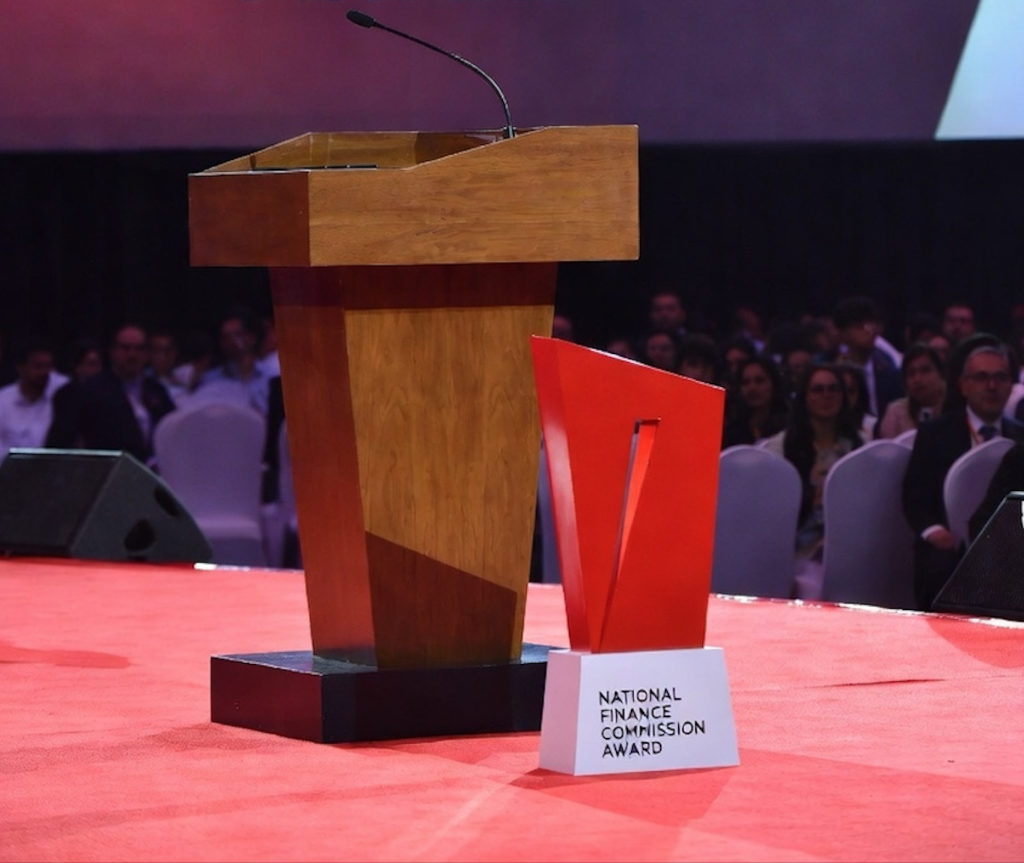
First things first
- This piece of writing does not aim to involve itself with a long-form discussion of the complex issues, such as population, poverty/backwardness, or recently proposed performance-based criteria regarding the new National Finance Commission (NFC) award being debated in various circles. Its focus is on the consensus that needs to be built around a new formula for the next award.
- In addition, it solely dwells on evolving a way forward by setting certain principles on which the new NFC award may be deliberated and agreed upon.
- Let it be known from the outset that the writer believes in autonomous individuals and autonomous communities and, by extending this principle further, believes in maximum provincial autonomy. It is in this spirit that solutions are proposed.
How this line of thought ensued
In July 2017, an Islamabad-based think tank, Policy Research Institute of Market Economy (PRIME …
فکری اور علمی طور پر پسماندہ معاشرے
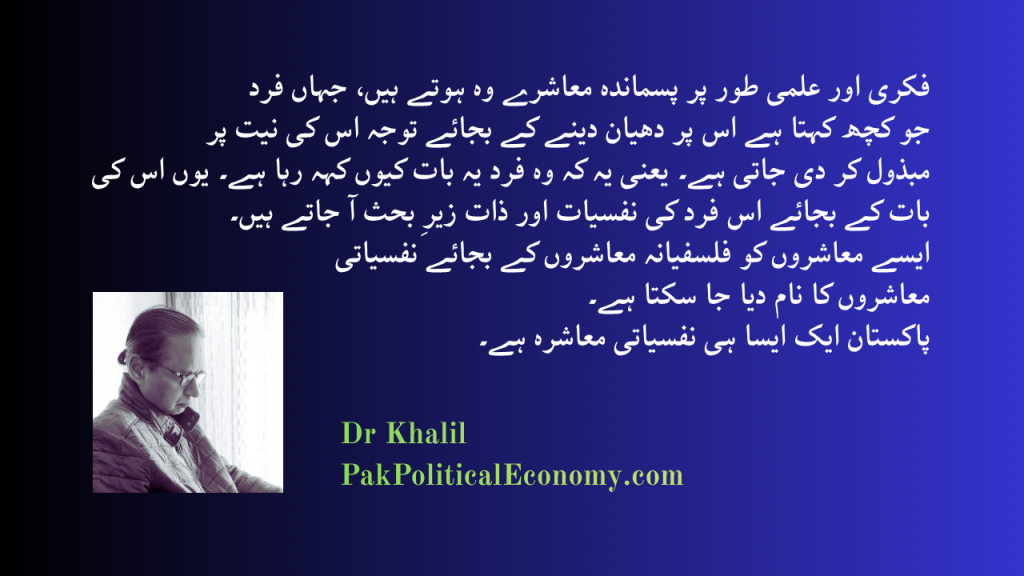
فکری اور علمی طور پر پسماندہ معاشرے وہ ہوتے ہیں
جہاں فرد جو کچھ کہتا ہے اس پر دھیان دینے کے بجائے
توجہ اس بات پر مبذول کر دی جاتی ہے کہ
اس کی نیت کیا ہے
اور یہ فرد یہ بات کہہ کیوں رہا ہے۔
اس کی بات کے بجائے اس کی نفسیات اور ذات زیر بحث آ جاتے ہیں۔…
What kills the representative democracy?
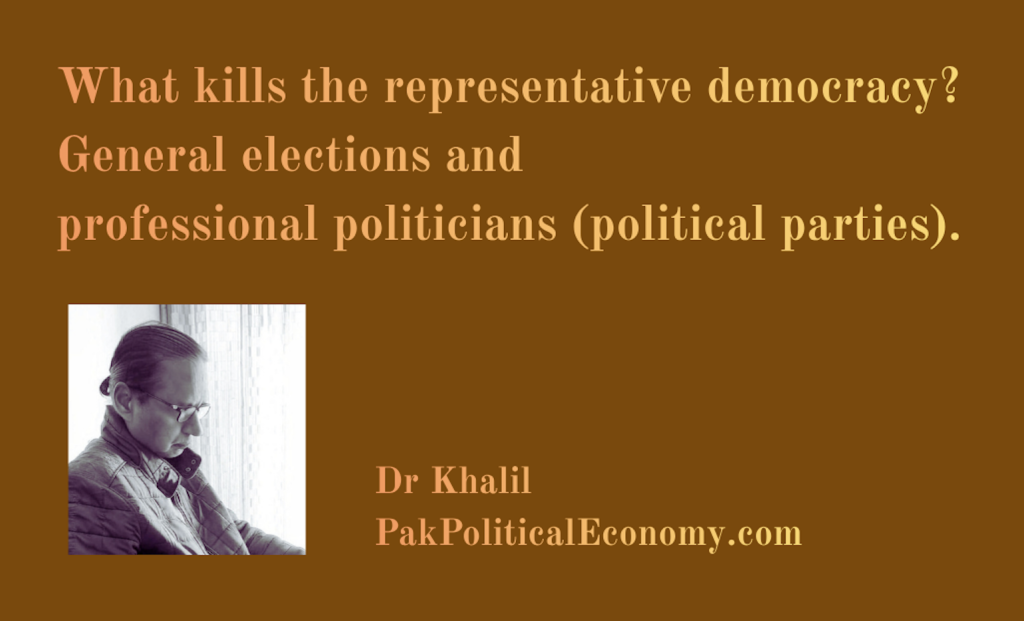
What kills the representative democracy?
General elections and professional politicians.
 …
…
Lottery-based elections and citizens assembly
Politics has become a black hole.
Attempts to reform it are swallowed by the black hole.
That’s why politicians need to be thrown out and politics retrieved back to the people
through lottery-based elections and citizens assembly,
ensuring every citizen has a chance to represent their fellow citizens.
Khalil
–
7 April, 2026
…
A revivalist romanticism
After the subcontinent came directly under the British crown,
a triangular political situation emerged.
Apart from Sir Syed, there was no serious thinker among the lot of Muslim scholars,
but only those who were all romanticists, and theirs was all a revivalist romanticism.
Khalil
1-4-26…
Pak democracy: Where to focus on… Your political philosophy’s litmus test
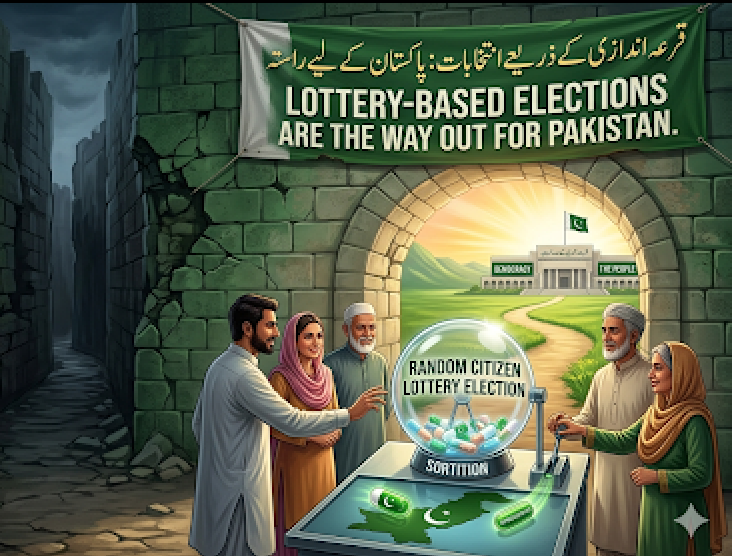
Lottery-based elections are the way out for Pakistan
To make Pak democracy deliver in the first place, or say, to improve the quality of Pak democracy (yes, from zero to one and above), up to this moment, I have been focusing on the following aspects of it:
- How to curtail and limit the constitutional powers of the politicians, i.e., those politicians who somehow after winning general elections come to power.
Initially, in a 2012 book of mine, The Rise of State Aristocracy in Pakistan (پاکستان میں ریاستی اشرافیہ کا عروج), I advocated strict constitutional rule as a panacea, as an effective antidote to stifle the capture of the state and its resources by aristocracy (Ashrafiya), thus named Riyasati Ashrafiya (State Aristocracy).
Earlier than that, in 2007, I had penned a Charter of Liberty, in the light of which the constitution of Pakistan needed to be rewritten, and …